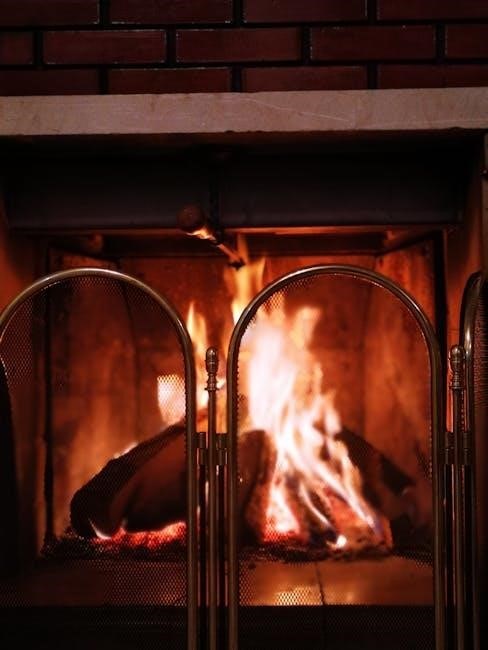
Majestic Fireplace Owners Manual: A Comprehensive Guide

Welcome! This manual provides essential guidance for safe operation‚ maintenance‚ and enjoyment of your new Majestic fireplace system.
Congratulations on selecting a Majestic fireplace! You’ve invested in a quality heating appliance designed to provide warmth‚ ambiance‚ and lasting value to your home. This owner’s manual is a crucial resource‚ offering detailed instructions to ensure your fireplace operates safely and efficiently for years to come.
Majestic fireplaces are engineered with precision and crafted with durable materials. We understand that each model possesses unique characteristics‚ so carefully reviewing this manual – specifically the sections pertaining to your specific model number – is paramount.

Beyond operation‚ this guide details essential maintenance procedures‚ troubleshooting tips‚ and vital safety information. Please read it thoroughly before your first fire and keep it readily accessible for future reference. Enjoy the comfort and beauty of your Majestic fireplace!
Safety First: Important Warnings & Precautions
WARNING: Improper installation or operation of your Majestic fireplace can create a serious fire hazard‚ leading to property damage‚ injury‚ or even death. Always adhere to the guidelines outlined in this manual and local building codes.
Never store flammable materials near the fireplace. Keep children and pets a safe distance away during operation. Ensure proper ventilation to prevent carbon monoxide buildup – install and maintain carbon monoxide detectors (see section 2.1).
Regular inspection and maintenance are critical. Do not attempt repairs you are not qualified to perform. Contact a certified Majestic technician for complex issues. Ignoring these precautions voids your warranty and compromises safety.
2.1 Carbon Monoxide & Smoke Detector Requirements
Crucially‚ install carbon monoxide (CO) detectors and smoke detectors on every level of your home‚ especially near sleeping areas. CO is a colorless‚ odorless gas produced by incomplete combustion‚ and can be fatal. Test detectors monthly and replace batteries at least annually.
For optimal safety‚ consider interconnected detectors – when one alarms‚ they all alarm. Smoke detectors alert you to the presence of fire‚ providing vital early warning. Ensure detectors are listed with a recognized testing laboratory (UL‚ ETL).
Never disable or ignore an alarm. Investigate immediately! Proper detector placement and maintenance are essential for protecting your family. Refer to the detector manufacturer’s instructions for specific guidance.
2.2 Safe Fuel Usage (Wood‚ Gas‚ Pellets)
Fuel selection is paramount for safe and efficient fireplace operation. For wood-burning fireplaces‚ use only seasoned (dried) hardwood with a moisture content below 20%. Avoid softwoods like pine‚ which create excessive creosote.
Gas fireplaces require connection to a natural gas or propane supply by a qualified technician. Never attempt to modify gas lines yourself. For pellet fireplaces‚ use only manufacturer-approved pellets; other fuels can damage the unit.
Store fuel properly – wood should be stacked off the ground and covered‚ while gas and pellet storage must adhere to local codes. Never use flammable liquids to start or accelerate a fire.
Understanding Your Fireplace Model
Majestic offers a diverse range of fireplace models‚ each designed with specific features and performance characteristics. Before operating your fireplace‚ it’s crucial to understand its unique components and capabilities.
This section will guide you through identifying your specific model and familiarizing yourself with its key parts. Different models may have varying control systems‚ venting requirements‚ and fuel options.
Refer to the model number located on the fireplace’s data plate (usually found inside the firebox or on the back of the unit) to ensure you’re using the correct information. Knowing your model is essential for proper maintenance and troubleshooting.
3.1 Identifying Your Specific Model Number
Locating your Majestic fireplace’s model number is the first step towards accessing specific information and support. The model number is a unique identifier that distinguishes your fireplace from others.
Typically‚ you’ll find the data plate – containing the model number‚ serial number‚ and other important details – affixed to the fireplace in one of several locations. Check inside the firebox‚ often on the side or back wall. Alternatively‚ look on the exterior of the unit‚ usually on the back panel or underneath the fireplace.
Record this number for future reference‚ as you’ll need it when contacting customer support‚ ordering parts‚ or downloading specific manuals. Accurate identification ensures you receive the correct assistance.
3.2 Component Overview: Key Parts & Functions
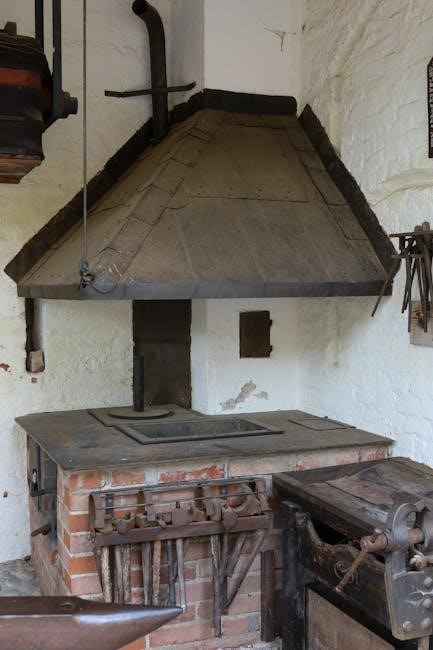
Understanding the components of your Majestic fireplace is crucial for safe and efficient operation. Key parts include the firebox – the chamber where the fire burns – and the baffle system‚ which promotes complete combustion and heat retention.
The glass door (if equipped) allows viewing while containing sparks. Air controls regulate airflow for optimal burning. Gas fireplaces feature a burner‚ gas valve‚ and pilot assembly. Wood-burning models have a damper to control chimney draft.
Familiarize yourself with each component’s function. Regularly inspect these parts for wear or damage. Refer to the diagrams in this manual for visual identification. Knowing your fireplace’s anatomy empowers you to maintain it effectively.
Initial Setup & Inspection
Before your first fire‚ a thorough setup and inspection are essential. Carefully remove all packaging materials and ensure no debris remains inside the firebox. Verify all components are correctly installed according to the installation manual – a separate document.
Inspect the glass door for cracks or damage. Check the damper’s operation (wood-burning models) and ensure it opens and closes smoothly. For gas fireplaces‚ confirm the gas supply is properly connected and leak-tested by a qualified technician.
Review all safety labels affixed to the fireplace. This initial check establishes a baseline for future maintenance and ensures safe operation from the start;
4.1 Pre-First Use Checklist
Prior to enjoying your first fire‚ complete this checklist for optimal performance and safety. First‚ confirm the chimney is professionally inspected and cleaned‚ free of obstructions. Second‚ verify proper ventilation – ensure vents aren’t blocked. Third‚ double-check all gas connections (gas models) for leaks using a soapy water solution.
Fourth‚ ensure the firebox is clear of any construction debris. Fifth‚ familiarize yourself with the location of the shut-off valve (gas models). Finally‚ have a working carbon monoxide detector installed nearby and test its functionality.
4.2 Chimney Inspection & Cleaning Recommendations

Regular chimney maintenance is crucial for safe and efficient fireplace operation. We recommend a professional chimney inspection at least annually‚ even with minimal fireplace use. Creosote buildup‚ a flammable byproduct of wood burning‚ poses a significant fire hazard.
Cleaning frequency depends on usage; heavy users may require cleaning twice yearly. Signs indicating a need for cleaning include excessive smoke‚ difficulty starting fires‚ or a noticeable creosote buildup visible within the chimney. Always hire a certified chimney sweep for inspection and cleaning to ensure proper assessment and removal of debris.
Operating Instructions: Wood-Burning Fireplaces
Before building a fire‚ ensure your chimney is clean and the damper is fully open. Use only seasoned‚ dry wood – wet wood creates excessive smoke and creosote. Start with a small “teepee” of kindling and gradually add larger pieces of wood.
Never overload the firebox; leave space for air circulation. Monitor the fire closely and never leave it unattended. Adjust the air controls (detailed in section 5.2) to regulate burn rate and heat output. Always use a fireplace screen to prevent sparks from escaping.
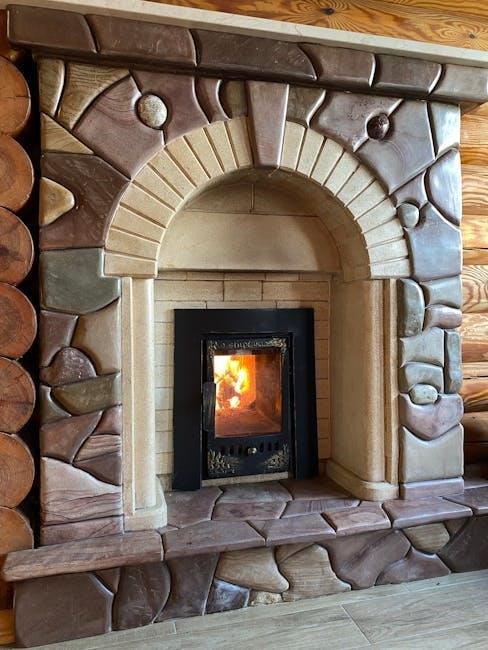
5.1 Building a Safe & Efficient Fire
Begin with a base of crumpled newspaper or fire starters. Add small‚ dry kindling – twigs‚ pine needles‚ or split wood shavings – in a teepee or log cabin structure. Light the paper and allow the kindling to catch flame. Gradually introduce larger pieces of seasoned hardwood‚ maintaining airflow.
Avoid using accelerants like gasoline or kerosene. Position logs to allow air to circulate around them. A top-down fire (larger logs on the bottom‚ kindling on top) burns cleaner and longer. Never overfill the firebox‚ and always use a fireplace screen.
5.2 Air Control Adjustment for Optimal Burn
Majestic fireplaces feature adjustable air controls to regulate the burn rate and heat output. Opening the air controls fully provides maximum oxygen for a rapid‚ hot fire – ideal for starting or adding wood. Closing the controls restricts airflow‚ slowing the burn and conserving fuel.
Experiment with different settings to find the optimal balance between heat and burn time. Observe the flame; a lively‚ yellow flame indicates sufficient air‚ while a sluggish‚ smoky flame suggests insufficient oxygen. Avoid completely closing the air controls‚ as this can lead to carbon monoxide buildup.
Operating Instructions: Gas Fireplaces
Your Majestic gas fireplace is designed for convenient and efficient heating. Before operation‚ ensure the gas supply is connected and the area around the fireplace is clear of combustible materials. Familiarize yourself with the location of the gas shut-off valve for emergency access.
To ignite‚ follow the lighting instructions specific to your model – typically involving a pilot light or electronic ignition system. Always observe the flame pattern during initial operation to ensure proper combustion. Adjust the flame height using the control knob or remote to achieve your desired heat level.
6.1 Lighting & Shutting Down the Gas Fireplace
Lighting your Majestic gas fireplace varies by model. For pilot light models‚ turn the gas control knob to “Pilot‚” press and hold the pilot button‚ and ignite with a long-handled lighter. Release the button once the pilot flame is established. For electronic ignition‚ simply press the ignition button.
To shut down‚ turn the gas control knob to “Off.” Ensure the pilot light (if applicable) is extinguished. Never attempt to disassemble or repair the gas components yourself; contact a qualified technician. Regularly check for gas leaks using a soapy water solution around connections.
6.2 Remote Control Operation & Features
Your Majestic gas fireplace remote offers convenient control of flame height‚ heat output‚ and often‚ a blower fan. Familiarize yourself with the button layout – typically including power‚ flame up/down‚ and fan speed controls. Some remotes feature programmable timers and thermostat settings for automated operation.
To pair the remote‚ consult your specific model’s instructions‚ often involving pressing a “learn” button on both the receiver (within the fireplace) and the remote. Replace batteries promptly when the remote’s range diminishes. Keep the remote dry and avoid dropping it to ensure longevity.
Maintenance & Cleaning
Regular maintenance ensures your Majestic fireplace operates safely and efficiently. Consistent cleaning prevents buildup that can reduce performance and pose hazards. Inspect the glass frequently for soot and use a fireplace-specific glass cleaner. Periodically remove ash from the firebox‚ allowing it to cool completely first‚ and dispose of it in a metal container.
Check the air vents for obstructions and ensure proper airflow. Avoid using abrasive cleaners on any fireplace components. Professional inspection annually is crucial for identifying potential issues and maintaining warranty validity.
7.1 Regular Cleaning Schedule (Glass‚ Firebox‚ Baffle)
Glass Cleaning: After each use‚ once cool‚ clean the glass with a dedicated fireplace glass cleaner. Avoid abrasive materials. Firebox Cleaning: Remove cooled ash weekly‚ or as needed‚ using a metal shovel and container. Inspect for cracks or damage during cleaning. Baffle Cleaning: Inspect the baffle (if applicable) monthly. Remove and clean with a soft brush‚ removing soot and debris.
Frequency Note: Heavy use requires more frequent cleaning. Annual Deep Clean: A thorough cleaning of all components should be performed annually‚ ideally before the heating season. Safety First: Always ensure the fireplace is completely cool before cleaning.

7.2 Annual Professional Inspection & Service
Importance of Professional Care: To ensure optimal performance and safety‚ schedule an annual inspection and service with a qualified fireplace technician. Inspection Details: This includes a thorough chimney inspection for blockages‚ creosote buildup‚ and structural integrity. They will also check gas connections (for gas fireplaces) and venting systems.
Service Includes: Professional servicing may involve cleaning the chimney‚ inspecting and adjusting dampers‚ and lubricating moving parts. Record Keeping: Maintain records of all professional inspections and services performed. Safety Reminder: Never attempt repairs beyond your expertise; always rely on a certified professional.
Troubleshooting Common Issues
Addressing Problems: This section offers solutions to frequently encountered fireplace issues. Minor Issues: Often‚ simple adjustments can resolve problems. Always consult the full manual before attempting any fixes. Safety First: If you are uncomfortable or unsure‚ contact a qualified technician immediately.
Common Concerns: We’ll cover issues like difficulty lighting‚ weak flames‚ excessive smoke‚ and unusual noises. Detailed Guidance: Each issue will have a step-by-step troubleshooting guide. Important Note: Ignoring problems can lead to safety hazards or reduced efficiency. Prioritize safety and professional help when needed.
8.1 Fireplace Won’t Light
Troubleshooting a Non-Igniting Fireplace: If your Majestic fireplace fails to light‚ begin with basic checks. Gas Supply: Verify the gas valve is fully open and the gas supply is active. Pilot Light: For models with a pilot light‚ ensure it’s lit. Follow relighting instructions carefully. Electrical Connection: Confirm the fireplace is receiving power – check the circuit breaker or fuse.
Further Checks: Inspect the igniter for damage or debris. A faulty igniter may need replacement. Remote Control: Ensure the remote has fresh batteries and is properly paired. Professional Help: If these steps don’t resolve the issue‚ contact a qualified gas fireplace technician for diagnosis and repair.
8.2 Excessive Smoke or Draft Problems
Addressing Smoke & Draft Issues: Excessive smoke or draft reversal indicates a potential problem. Chimney Obstruction: A blocked chimney is a common cause – schedule a professional cleaning. Draft Damper: Ensure the draft damper is fully open before lighting the fire. Air Supply: Insufficient room air can cause smoke spillage; slightly open a window.
External Factors: Negative air pressure from exhaust fans or tightly sealed homes can contribute. Wood Quality: Wet or unseasoned wood produces excessive smoke. Professional Evaluation: If problems persist‚ consult a qualified chimney sweep or fireplace technician to diagnose and rectify the issue safely.
Warranty Information & Contact Details
Your Majestic Warranty: Majestic fireplaces are backed by a limited lifetime warranty against defects in materials and workmanship. Please retain your proof of purchase for warranty claims. Specific warranty details‚ including coverage limitations‚ are outlined in the separate warranty document included with your fireplace.
Contact Us: For warranty claims‚ technical support‚ or general inquiries‚ please contact Majestic directly. Website: www.majesticfireplaces.com. Customer Service: 1-800-MAJESTIC (1-800-625-3784). Address: HHT – Majestic‚ 30500 Emerald Park Ln‚ Beachwood‚ OH 44122. We are committed to providing excellent customer support!