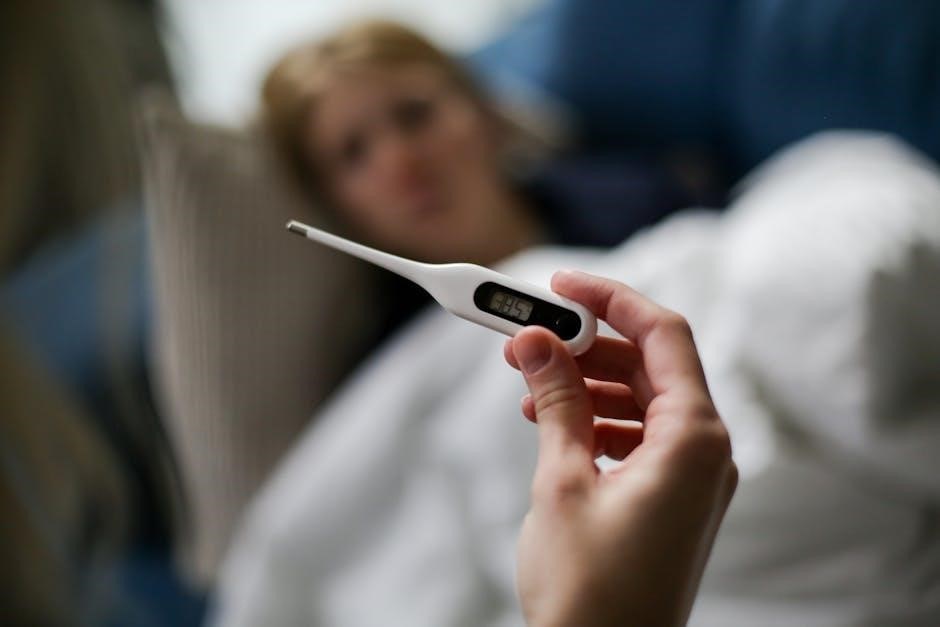
CVS Health Temple Digital Thermometer Instructions: A Comprehensive Guide
This guide provides detailed instructions for using the CVS Health Temple Digital Thermometer, ensuring accurate temperature readings and proper device maintenance for optimal health monitoring.
Understanding Your Thermometer
The CVS Health Temple Digital Thermometer is a medical device designed for fast and accurate temperature measurement via the temporal artery – the artery in the forehead; It’s a non-invasive method, making it suitable for all ages, including infants and young children. This thermometer utilizes infrared technology to detect and display body temperature digitally.
Unlike traditional thermometers, it doesn’t require insertion into the mouth, rectum, or under the arm, minimizing discomfort and potential hygiene concerns. Understanding its functionality is key to obtaining reliable results. The device is intended for home use and provides a quick assessment of body temperature, aiding in the early detection of potential fever or illness. Proper use, as detailed in this guide, ensures optimal performance and accurate health insights.
What’s Included in the Box
Upon opening your CVS Health Temple Digital Thermometer package, you should find the following components. Firstly, the digital thermometer itself, featuring a clear LCD display and a scanning probe. Secondly, a set of batteries – typically AAA or button cell – are included to power the device immediately upon purchase. A quick start guide is also provided, offering a concise overview of the thermometer’s basic functions and operation.
Additionally, you’ll receive a more comprehensive instruction manual, detailing all features, safety precautions, and troubleshooting tips. While not always included, some packages may contain a protective storage case to keep the thermometer clean and safe when not in use. Ensure all listed items are present before proceeding; if anything is missing, contact CVS Health customer support.
Key Features of the CVS Health Temple Digital Thermometer
The CVS Health Temple Digital Thermometer boasts several key features designed for ease of use and accurate temperature measurement. Its primary advantage is the non-invasive temporal artery scanning method, providing a comfortable and hygienic experience, especially for children. The large, backlit LCD display ensures clear readability, even in low-light conditions.
Furthermore, this thermometer offers rapid readings, typically within seconds, minimizing discomfort and wait time. It features a memory function, storing previous readings for convenient tracking of temperature trends. The automatic shut-off feature conserves battery life, while the fever indicator alerts you to elevated temperatures. Its compact and lightweight design makes it portable and easy to store.

Getting Started: Initial Setup
Before first use, carefully unpack your CVS Health Temple Digital Thermometer and familiarize yourself with its components to ensure proper functionality and accurate readings.
Installing Batteries
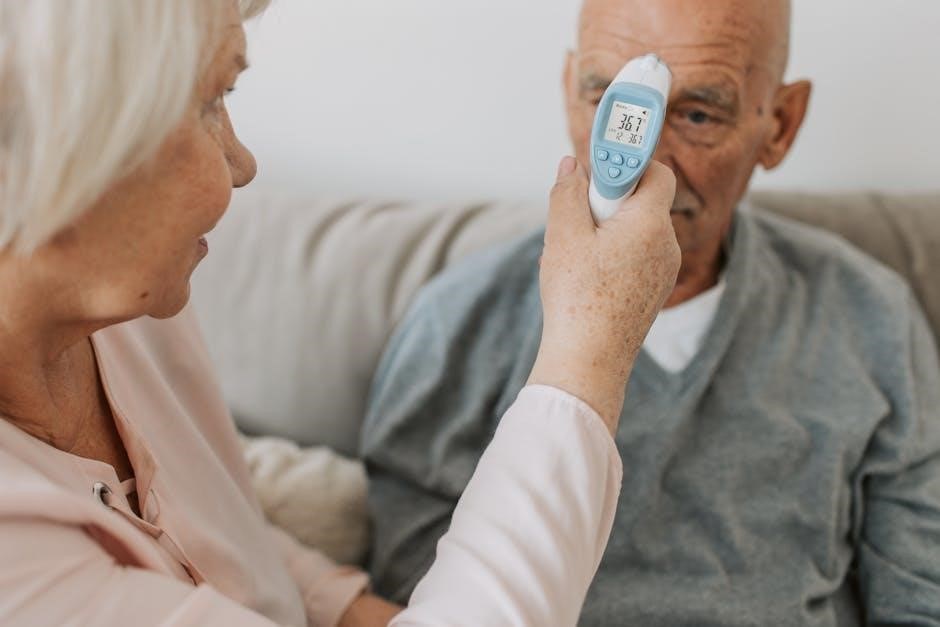
The CVS Health Temple Digital Thermometer requires batteries for operation. Locate the battery compartment, typically found on the back or within the handle of the device. Gently slide open the battery compartment cover, usually by pressing a release button or tab. Insert the specified type and number of batteries – commonly AAA or AA – ensuring correct polarity, as indicated by the “+” and “-” symbols inside the compartment.
Incorrect battery installation can prevent the thermometer from powering on or cause inaccurate readings. Once the batteries are securely in place, carefully close the battery compartment cover until it clicks shut. Always use fresh batteries for optimal performance and avoid mixing old and new batteries. Dispose of used batteries responsibly, following local regulations for battery recycling or disposal.
Powering On and Off
To power on the CVS Health Temple Digital Thermometer, locate the power button – often labeled with a power symbol. Press and release the power button once. The display screen will illuminate, indicating the device is active and ready for use. A self-test may briefly appear on the screen to confirm functionality. To power off the thermometer, press and release the power button again.
The display will turn off, conserving battery life. Some models may feature an auto-off function that automatically powers down the device after a period of inactivity. Avoid prolonged button presses, as this may not always ensure complete power-off. Always verify the display is blank before storing the thermometer. Proper powering on and off ensures accurate readings and extends battery lifespan.
Understanding the Display Symbols
The CVS Health Temple Digital Thermometer’s display utilizes several symbols to convey information. A battery symbol indicates battery level; a low battery symbol signals the need for replacement. A degree symbol (°F or °C) denotes the temperature unit. A “HOLD” indicator signifies the current reading is being held on the screen for review.
Some models may display a “body” symbol to confirm temporal artery mode is selected. Error codes, if present, indicate a malfunction requiring troubleshooting. A flashing display often means the thermometer is taking a reading or is in a pre-heating phase. Familiarizing yourself with these symbols ensures accurate interpretation of readings and proper device operation. Refer to the full manual for a complete symbol glossary.
Taking a Temperature Reading

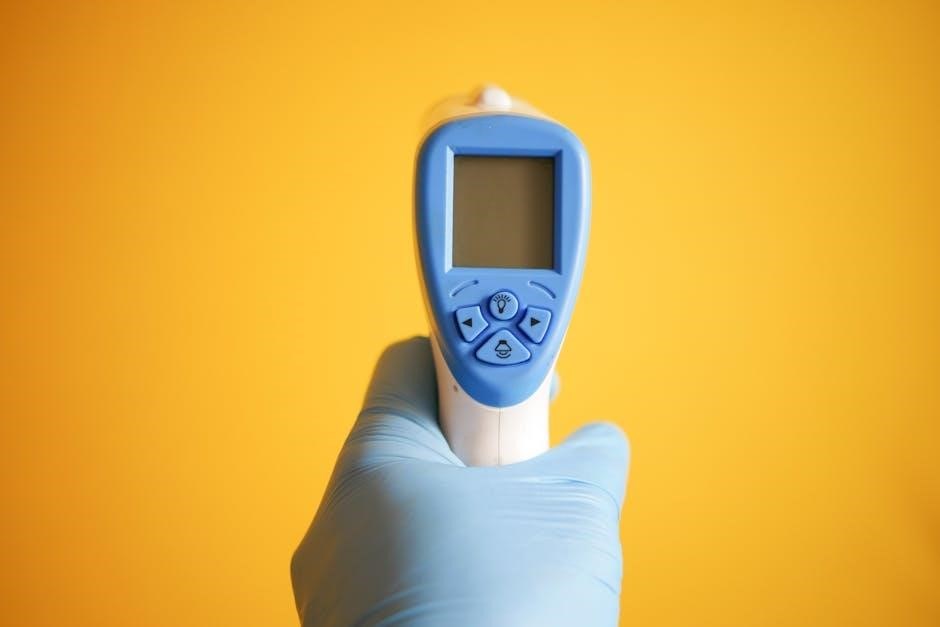
Accurately measuring temperature with the CVS Health thermometer requires proper technique and placement, ensuring reliable results for assessing overall health and well-being.
Proper Placement for Accurate Readings (Temporal Artery)
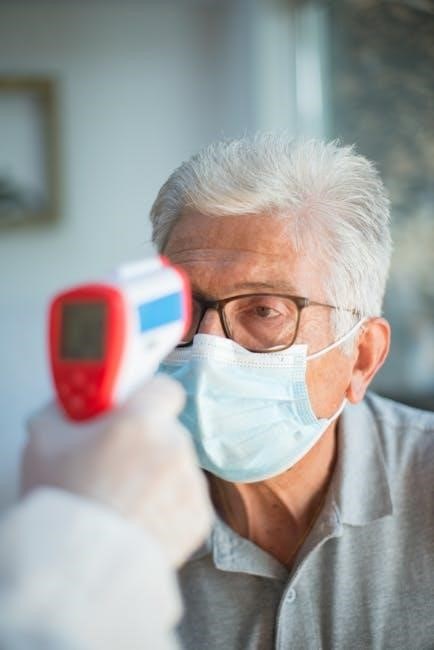
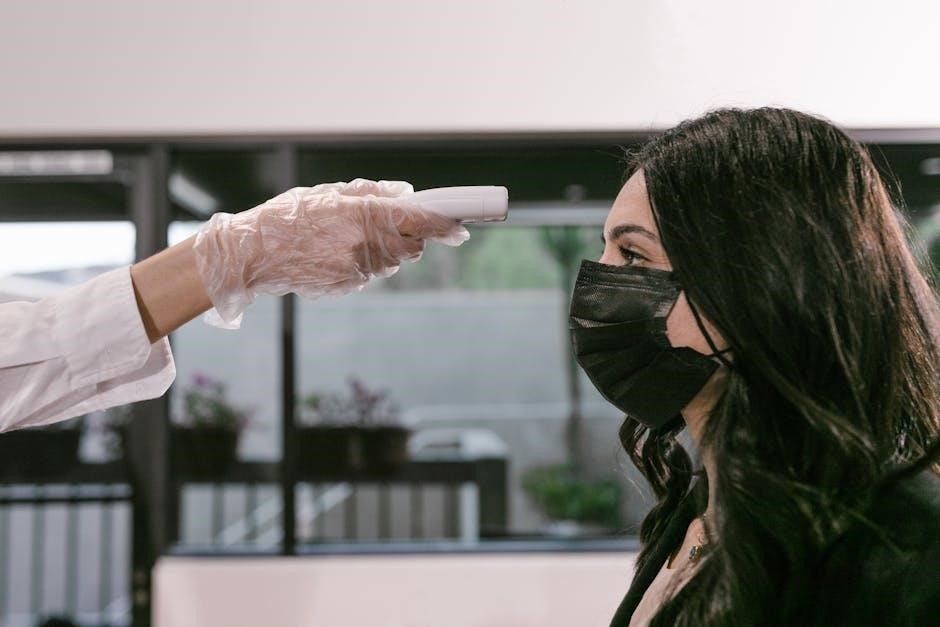
To obtain the most accurate temperature reading with your CVS Health Temple Digital Thermometer, proper placement along the temporal artery is crucial; Gently glide the thermometer across the forehead, maintaining firm contact with the skin. Start at the center of the forehead and move horizontally towards the temple. Ensure the thermometer’s sensor is fully in contact with the skin throughout the entire sweeping motion.
Avoid using the thermometer immediately after waking up, exercising, or taking a hot or cold bath, as these factors can influence body temperature. Hair, sweat, or lotions on the forehead can also interfere with accurate readings; ensure the area is clean and dry before use. Consistent placement is key – always follow the same sweeping motion for reliable results. Proper technique minimizes errors and provides a trustworthy temperature assessment.
Step-by-Step Temperature Measurement Process
Begin by pressing the power button to activate the CVS Health Temple Digital Thermometer. Ensure the display illuminates, indicating it’s ready for use. Gently place the thermometer’s probe on the center of the forehead, maintaining firm, consistent contact. Slowly sweep the thermometer across the forehead towards the temple, keeping it flat against the skin.
Press the scan button to initiate the temperature reading. Hold the thermometer in place until a beep signals completion – typically within a few seconds. Remove the thermometer and observe the temperature displayed on the screen. Record the reading for future reference. Remember to clean the probe after each use, following the care and maintenance guidelines provided in this manual for optimal hygiene and accuracy.
Reading the Temperature Display
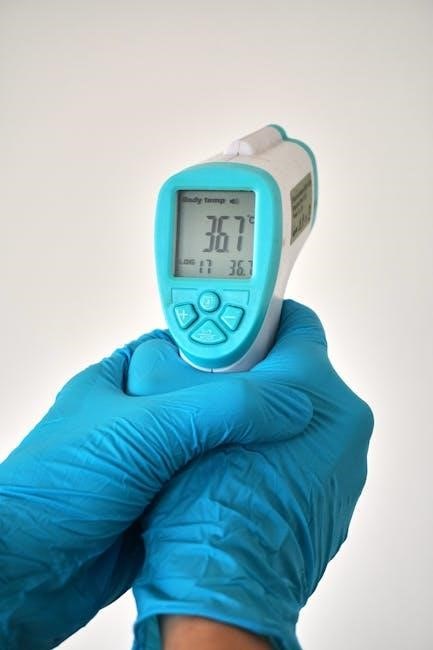
The CVS Health Temple Digital Thermometer features a clear, easy-to-read LCD display. The primary reading shows the measured temperature in Fahrenheit or Celsius, depending on your selected setting. A degree symbol (°F or °C) will clearly indicate the unit of measurement. Look for indicator symbols; a body symbol signifies a standard temperature reading.
If a fever is detected, a fever indicator, often a flashing or persistent symbol, will appear on the display. The display may also include a low battery indicator if battery replacement is needed. Ensure proper lighting conditions for optimal visibility. Familiarize yourself with all display symbols outlined in the “Understanding the Display Symbols” section for comprehensive interpretation of readings.
Interpreting Temperature Readings
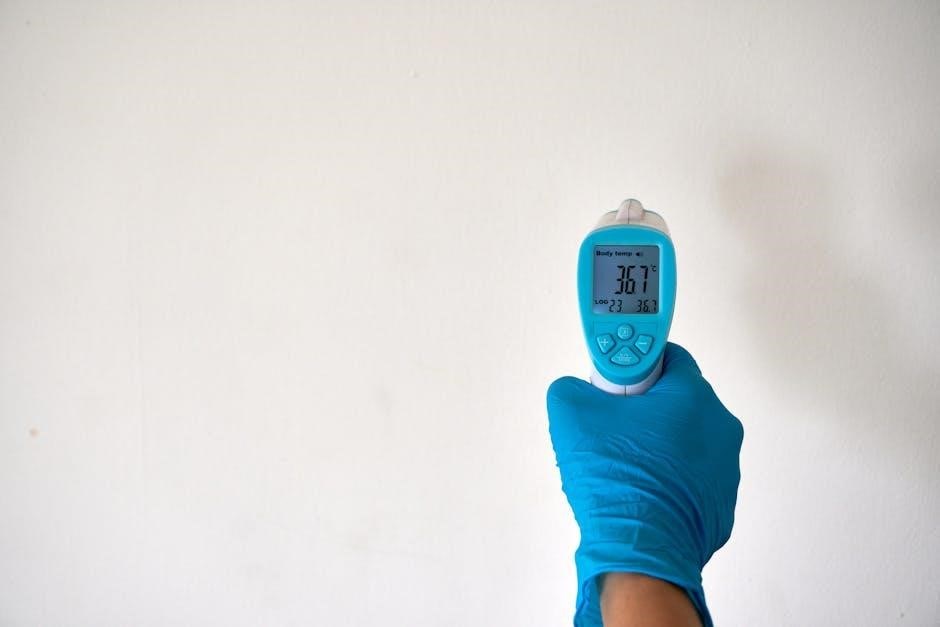
Understanding temperature ranges is crucial for assessing health; recognizing fever indicators helps determine if medical attention is necessary, ensuring prompt care and well-being.
Normal Temperature Ranges
A normal body temperature, as measured by the CVS Health Temple Digital Thermometer, generally falls between 97.6°F (36.4°C) and 99.6°F (37.6°C). However, it’s important to remember that individual temperatures can vary slightly throughout the day, influenced by factors like activity level, time of day, and even age. Temperatures are typically lower in the morning and gradually increase as the day progresses.
For adults, a temperature slightly above or below this range isn’t necessarily cause for immediate concern. However, consistently elevated or depressed temperatures warrant further investigation. Children may have slightly higher normal temperatures than adults. It’s always best to establish a baseline for yourself and your family to better understand what constitutes a normal temperature for each individual, allowing for more accurate assessment when illness strikes.
Fever Indicators and What They Mean
A fever, indicated by the CVS Health Temple Digital Thermometer, generally signifies a body temperature above the normal range of 97.6°F (36.4°C) to 99.6°F (37.6°C). A temperature of 100.4°F (38°C) or higher is typically considered a fever. Low-grade fevers (100.4°F — 101.3°F) may indicate a mild illness like a common cold.
Higher fevers (101.4°F and above) often suggest a more significant infection or illness; It’s crucial to monitor the fever’s duration and accompanying symptoms. Prolonged or high fevers can lead to dehydration and discomfort. While a fever is a natural immune response, it’s essential to understand its severity and seek appropriate medical advice when necessary, especially in infants and individuals with underlying health conditions.
When to Seek Medical Attention
Consult a healthcare professional if a fever persists for more than three days, or if it exceeds 103°F (39.4°C). Seek immediate medical care if accompanied by severe symptoms like stiff neck, severe headache, difficulty breathing, confusion, seizures, or a rash. Infants under three months with any fever require prompt medical evaluation.
Additionally, if you experience a fever alongside chronic medical conditions, such as heart disease or diabetes, it’s vital to consult your doctor. Dehydration signs – decreased urination, dizziness, and extreme thirst – warrant medical attention. Trust your instincts; if you are concerned about a fever or related symptoms, don’t hesitate to seek professional medical guidance for proper diagnosis and treatment.
Care and Maintenance
Regular cleaning and proper storage will extend the life of your CVS Health Temple Digital Thermometer, ensuring accurate readings and reliable performance over time.
Cleaning the Thermometer Probe
To maintain hygiene and accuracy, regularly clean the thermometer probe after each use and especially after use on multiple individuals. Gently wipe the probe with a soft cloth lightly dampened with isopropyl alcohol (70% is recommended). Ensure the cloth is not dripping wet to prevent liquid from entering the device and causing damage.
Avoid using harsh chemicals, abrasive cleaners, or submerging the thermometer in water, as these can damage the sensitive components. Allow the probe to air dry completely before storing the thermometer. Proper cleaning helps prevent the spread of germs and ensures reliable temperature readings. Inspect the probe for any visible damage, such as cracks, before each use; discontinue use if damage is detected.
Storing the Thermometer Properly
Proper storage is crucial for maintaining the longevity and accuracy of your CVS Health Temple Digital Thermometer. Always store the thermometer in a cool, dry place, away from direct sunlight, extreme temperatures, and humidity. The ideal storage location is a drawer or cabinet, protected from dust and potential physical damage.
Avoid storing the thermometer with or near sharp objects that could scratch or damage the display or probe. Remove the batteries if the thermometer will not be used for an extended period (several months) to prevent potential corrosion. Ensure the thermometer is completely dry before storing it. Following these guidelines will help ensure your thermometer remains in optimal working condition for years to come.
Battery Replacement Instructions
To replace the batteries in your CVS Health Temple Digital Thermometer, gently open the battery compartment, typically located on the back or side of the device. Remove the old batteries, noting the correct polarity (+ and -) as indicated inside the compartment. Insert new batteries of the same type, ensuring they are aligned with the polarity markings.
Close the battery compartment securely. Dispose of used batteries responsibly, following local regulations for battery recycling. If the thermometer does not power on after replacing the batteries, double-check the battery polarity and ensure the batteries are fresh. Using incorrect batteries or improper installation can damage the device.
Troubleshooting Common Issues
This section addresses frequent problems encountered with the CVS Health Temple Digital Thermometer, offering solutions for inaccurate readings, power failures, and display errors.
Inaccurate Readings
If the CVS Health Temple Digital Thermometer provides readings that seem questionable, several factors could be at play. First, ensure proper placement on the temporal artery; incorrect positioning significantly impacts accuracy. Confirm the thermometer isn’t exposed to extreme temperatures before or during use, as this can skew results.
Verify the probe is clean and free of debris, as obstructions interfere with heat sensing. Low batteries can also cause inaccurate readings, so replace them with fresh ones. If inconsistencies persist, try taking multiple readings and comparing them. Remember, external factors like recent exercise or hot/cold beverages can temporarily affect body temperature.
Consider that individual variations exist; a slight difference isn’t always indicative of a problem. If substantial discrepancies continue despite these checks, consult a healthcare professional to rule out any underlying health concerns or potential device malfunction.
Thermometer Not Powering On
If your CVS Health Temple Digital Thermometer fails to power on, the first step is to check the batteries. Ensure they are correctly installed, observing the proper polarity (+ and -) as indicated within the battery compartment. Even new batteries can be faulty, so testing with a different set is recommended.
Confirm the battery contacts aren’t corroded or obstructed; gently clean them if necessary. A prolonged period without battery replacement can lead to corrosion. Press the power button firmly and hold it for a few seconds to initiate startup. If the display remains blank, try replacing the batteries again, even if the initial set appeared functional.
If the issue persists after these checks, there might be an internal device malfunction, and contacting CVS Health customer support for assistance or potential replacement is advisable.
Display Errors
Encountering error messages on your CVS Health Temple Digital Thermometer’s display indicates a potential issue requiring attention. Common errors might include “Err,” “Lo,” or a flashing display. “Err” generally signifies an internal malfunction or a reading outside the measurable range. “Lo” often indicates low battery power, even if the device recently had batteries installed – replace them immediately.
A flashing display could suggest improper sensor contact or interference during measurement. Ensure the thermometer is correctly positioned on the temporal artery and free from obstructions. If errors persist after addressing these points, try restarting the device by removing and reinserting the batteries.
Consult the complete user manual for a detailed explanation of specific error codes. If the error continues, contact CVS Health customer support for further troubleshooting or potential device replacement.

Safety Precautions
Always supervise children during use, keep batteries out of reach to prevent choking, and understand the thermometer’s limitations for accurate health assessments.
General Safety Guidelines
When utilizing the CVS Health Temple Digital Thermometer, prioritize safety for both the user and those around them. This device is intended for personal, non-professional use only. Avoid modifying or disassembling the thermometer, as this could compromise its accuracy and safety features. Ensure the thermometer is used on individuals who can remain still during the measurement process to obtain reliable results.
Do not use the thermometer if it appears damaged, such as with a cracked lens or broken casing. Regularly inspect the device for any signs of wear and tear. Keep the thermometer clean and dry when not in use, and avoid exposing it to extreme temperatures or direct sunlight. This thermometer is not a substitute for professional medical advice; always consult a healthcare provider for any health concerns or if you experience unusual symptoms. Proper handling and adherence to these guidelines will ensure safe and effective temperature monitoring.
Choking Hazard (Battery Safety)
The CVS Health Temple Digital Thermometer operates using small button/coin cell batteries, which present a significant choking hazard to children. Keep batteries securely locked away and out of reach of young children. If a battery is swallowed, seek immediate medical attention. Do not allow children to handle or change the batteries themselves.
Always follow proper battery installation instructions, ensuring the polarity is correct. Dispose of used batteries responsibly, according to local regulations. Never attempt to recharge non-rechargeable batteries, as this could lead to leakage or explosion. Regularly check the battery compartment for corrosion or damage. Supervise children closely when the thermometer is in use, and educate them about the dangers of playing with batteries. Prioritizing battery safety is crucial for preventing accidental ingestion and potential harm.
Device Limitations
The CVS Health Temple Digital Thermometer is designed for intermittent use and is not a substitute for professional medical diagnosis or treatment. This device measures temperature from the temporal artery and may not be as accurate in all individuals or under all conditions. Factors like skin perfusion, ambient temperature, and improper technique can influence readings.
The thermometer is not intended for continuous monitoring or use in critical care settings. It’s crucial to understand that temperature readings are just one indicator of health, and should be considered alongside other symptoms and clinical observations. Do not self-treat based solely on thermometer readings; always consult a healthcare professional for any health concerns. This device is not waterproof and should not be immersed in liquids.