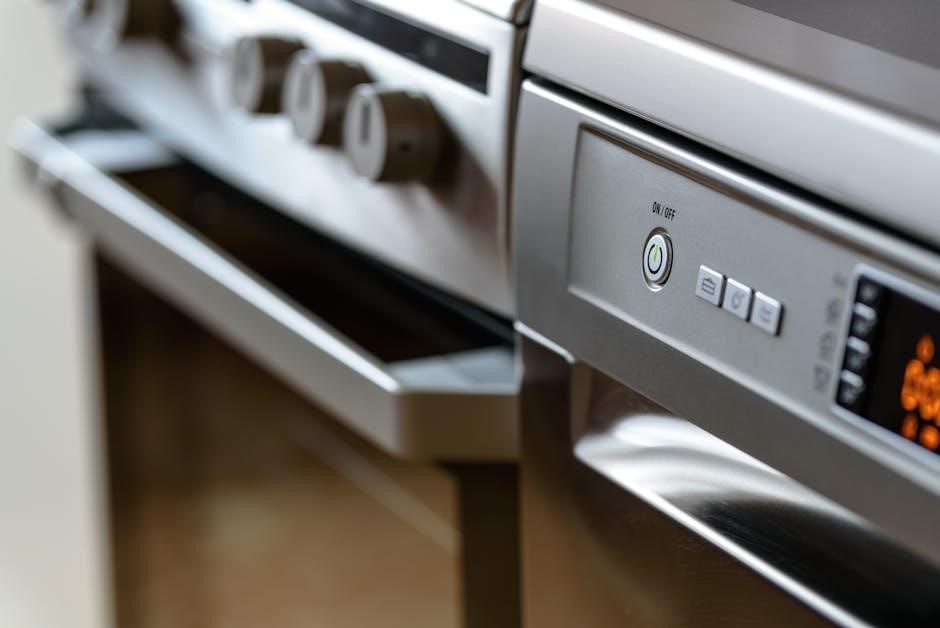
Understanding power consumption of household appliances is crucial for managing energy costs and reducing environmental impact. This guide explores strategies to optimize usage and lower bills effectively.
1.1 Importance of Understanding Power Consumption
Understanding power consumption is essential for managing energy use effectively. It helps reduce high electricity bills, lowers environmental impact, and promotes sustainable living. By identifying which appliances consume the most energy, homeowners can make informed decisions to optimize usage. This knowledge is critical for addressing the rising cost of living and combating climate change. Recognizing energy-intensive devices, such as HVAC systems and refrigerators, empowers individuals to adopt efficiency strategies. Ultimately, understanding power consumption fosters smarter energy habits and long-term cost savings.
1.2 Overview of Household Appliances and Their Energy Use
Household appliances vary significantly in their energy consumption, with some drawing large amounts of power. Refrigerators, washing machines, and TVs are common examples, each contributing to overall energy use. Understanding their specific consumption patterns is key to managing costs. For instance, refrigerators run continuously, while ovens and microwaves are used sporadically. Some devices, like standby appliances, consume energy even when turned off, adding to utility bills. Recognizing these differences helps households identify high-energy users and implement targeted efficiency measures to reduce waste and lower expenses.
Basics of Power Consumption
Understanding power consumption involves measuring energy use in watts, kilowatts, and kWh. This knowledge helps households track and manage their energy usage effectively to reduce costs.
2.1 Definition and Measurement of Power Consumption
Power consumption refers to the amount of energy an appliance uses, typically measured in watts (W), kilowatts (kW), or kilowatt-hours (kWh). Understanding these metrics is essential for tracking energy use. Watts measure instantaneous power, while kWh reflects energy consumption over time. For example, a 100W light bulb uses 0.1 kWh per hour. Accurate measurement helps households monitor usage, identify high-energy appliances, and budget effectively. Tools like smart meters and energy calculators simplify this process, providing detailed insights into daily and monthly consumption patterns.
2.2 Understanding Wattage, Kilowatts, and Kilowatt-Hours (kWh)
Wattage measures an appliance’s power consumption, while kilowatts (kW) represent 1,000 watts. Kilowatt-hours (kWh) measure energy use over time. For example, a 100W light bulb uses 0.1 kWh per hour, and a 2,000W appliance consumes 2 kWh per hour. Understanding these units helps calculate energy costs and monitor usage. Always check appliance labels for wattage ratings to estimate consumption. This knowledge is key to managing energy efficiently and reducing household bills.

Appliances with High Power Consumption
Appliances like HVAC systems, refrigerators, and clothes dryers consume significant power, increasing energy bills. Understanding their usage patterns helps optimize energy consumption and reduce costs effectively.
3.1 Heating, Ventilation, and Air Conditioning (HVAC) Systems
HVAC systems are among the largest consumers of household energy, accounting for nearly 40% of total power usage. Their consumption varies with system size, insulation quality, and usage patterns. Modern HVAC systems often feature variable-speed motors and programmable thermostats to optimize energy use. Regular maintenance, such as cleaning filters and inspecting ductwork, can significantly reduce their power consumption. Upgrading to energy-efficient models, like heat pumps or ENERGY STAR-certified units, can further lower energy bills and environmental impact.
3.2 Refrigerators and Freezers
Refrigerators and freezers are essential household appliances with significant power consumption. They operate continuously, contributing to a steady energy drain. Modern models often feature advanced insulation and compressors, reducing their energy use. However, factors like size, door seals, and usage habits can impact their efficiency. Upgrading to ENERGY STAR-certified models can lower energy bills. Regular maintenance, such as cleaning condenser coils and ensuring proper door sealing, helps optimize performance and reduce long-term power consumption.
3.3 Clothes Dryers and Washing Machines
Clothes dryers and washing machines are among the most energy-intensive household appliances. Dryers, in particular, consume significant power due to their heating elements. Front-loading washing machines are generally more energy-efficient than top-loading models. Energy-efficient designs, such as those with moisture-sensing technology, reduce energy use. Upgrading to ENERGY STAR-certified models can lower consumption. Running full loads and using cold water settings further reduce energy costs. Regular maintenance, like cleaning lint filters, also improves efficiency and extends appliance lifespan.
3.4 Electric Ovens and Microwaves
Electric ovens and microwaves are significant contributors to household power consumption. Electric ovens, especially when used for extended periods, consume substantial energy due to their heating elements. Microwaves, while more energy-efficient for small tasks, still draw considerable power. Modern designs often include features like convection cooking and sensors to optimize energy use. Using microwaves for reheating instead of ovens can reduce overall consumption. Upgrading to energy-efficient models and avoiding unnecessary preheating can also help lower energy costs and enhance kitchen efficiency.
3.5 Televisions and Home Electronics
Televisions and home electronics contribute significantly to household power consumption. Modern TVs, especially larger screens with LED or OLED technology, use more energy. Features like 4K resolution and smart TV capabilities increase power draw. Additionally, devices like soundbars, gaming consoles, and set-top boxes further add to energy use. Turning devices off fully, using eco-modes, and investing in ENERGY STAR-certified models can help reduce consumption. Unplugging chargers and electronics when not in use also minimizes standby power, promoting energy efficiency and lowering utility bills.
3.6 Computers and Gaming Consoles

Computers and gaming consoles are significant contributors to household power consumption. Desktop computers, laptops, and gaming systems like PlayStation and Xbox consume substantial energy due to their high processing demands. Gaming consoles, in particular, draw considerable power during gameplay and standby modes. Regularly turning them off when not in use and utilizing power-saving modes can help reduce energy waste. Upgrading to energy-efficient models and adjusting settings to optimize performance can also lower overall consumption, contributing to savings on electricity bills and reducing environmental impact.

Standby Power Consumption
Standby power consumption refers to the energy used by devices when they are turned off but still plugged in, often accounting for a significant portion of household energy waste.
4.1 What is Standby Power?
Standby power, also known as “vampire power” or “leaking electricity,” refers to the energy consumed by devices when they are turned off but still plugged into a power source. Many modern appliances, such as televisions, chargers, and coffee makers, continue to draw power in standby mode to support features like remote control operation or instant-on functionality. This unnecessary energy use can account for a significant portion of a household’s total electricity consumption, often going unnoticed by consumers.
4.2 Appliances That Consume Standby Power
Many household devices consume standby power, including televisions, computers, gaming consoles, chargers, and small appliances like microwaves and coffee makers. These devices often remain in low-power mode even when turned off, drawing energy for features like remote control operation or instant startup. Common culprits include devices with LED indicators, digital displays, or adaptive power features. Identifying and managing these appliances can help reduce unnecessary energy waste and lower electricity bills over time.
4.3 Tips to Reduce Standby Power Consumption
To minimize standby power consumption, unplug devices when not in use or use power strips to easily switch off multiple appliances at once. Enable energy-saving modes on electronics and disable features like instant startup. Replace old devices with energy-efficient models that consume less standby power. Regularly review and upgrade to appliances with low standby power ratings. Using smart plugs can also help monitor and control standby energy use effectively.

Seasonal Variations in Energy Use
Energy consumption varies by season due to heating and cooling needs. Winter months often see higher usage for heating, while summer spikes with cooling demands. Adjusting thermostat settings and optimizing appliance usage can help balance seasonal energy use effectively.
5.1 Winter Energy Consumption
Winter energy consumption increases significantly due to heating demands. HVAC systems work harder to maintain warmth, while water heaters and refrigerators operate more intensively. Insulation gaps and colder temperatures often lead to higher power usage for heating. Additionally, holiday lighting and increased indoor appliance use contribute to winter energy spikes. Understanding these factors helps households optimize their energy use during colder months.
5.2 Summer Energy Consumption
Summer energy consumption surges due to increased cooling demands. Air conditioning systems operate at peak levels, accounting for a significant portion of household energy use. Additionally, refrigerators and freezers work harder to maintain lower temperatures. The use of ceiling fans, box fans, and pool pumps also rises. Furthermore, extended use of lighting and electronics during longer daylight hours contributes to higher energy consumption. Understanding these patterns can help households adopt strategies to reduce summer energy costs effectively.
5.3 Tips for Seasonal Energy Efficiency
To enhance seasonal energy efficiency, adjust thermostat settings based on the time of year. In summer, raise the temperature slightly, and in winter, lower it. Use natural lighting during the day to reduce lamp usage. Regularly maintain HVAC systems for optimal performance. Seal air leaks to prevent heat loss or gain. Utilize power strips for electronics to eliminate standby power consumption. Invest in energy-efficient appliances and bulbs, such as LED lighting, to minimize energy waste. Smart home devices can also help monitor and control energy use effectively throughout the year.
Practical Tips to Reduce Power Consumption
Adopt energy-saving habits like turning off lights and using power strips for standby devices. Check efficiency ratings and maintain appliances regularly.
6.1 Using Energy-Efficient Appliances
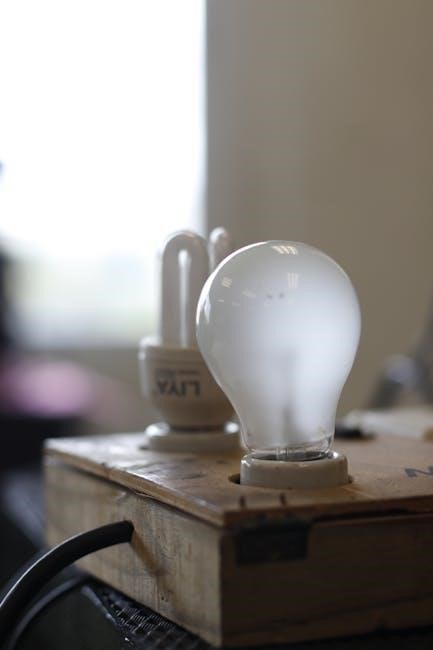
Energy-efficient appliances are designed to consume less power while maintaining performance. Look for appliances with features like ENERGY STAR certification, smart sensors, or eco-mode settings. These devices often use advanced technologies to reduce standby power and optimize energy use. For instance, LED bulbs and inverter-based refrigerators significantly lower consumption. Additionally, smart home devices can monitor and control energy usage remotely. Upgrading to energy-efficient models and replacing outdated appliances can lead to substantial long-term savings on electricity bills while reducing environmental impact.
6.2 Optimizing Appliance Usage Habits
Optimizing appliance usage habits can significantly reduce power consumption. Simple changes, like running full loads in washing machines and dishwashers, conserve energy. Avoiding unnecessary overheating in water heaters and ovens also helps. Turning off devices on standby mode and using power strips can eliminate phantom power. Regularly cleaning filters in refrigerators and air conditioners improves efficiency. Encourage family members to adopt energy-conscious habits, such as turning off lights or electronics when not in use. Small adjustments can lead to noticeable savings over time without compromising convenience.
6.3 Utilizing Power Strips
Power strips are an effective way to manage energy consumption by allowing multiple devices to be powered on or off with a single switch. This is particularly useful for electronics like TVs, computers, and chargers, which often consume standby power even when turned off. By plugging these devices into a power strip and turning it off when not in use, you can eliminate standby power consumption. Advanced power strips with timers or smart features offer additional control, making it easier to optimize energy use without constant monitoring.
6.4 Regular Maintenance of Appliances
Regular maintenance of household appliances is crucial for optimizing their energy efficiency and longevity. Dust buildup in fans and compressors can increase energy consumption, while worn-out seals in refrigerators and ovens reduce performance. Cleaning filters, checking for faulty parts, and ensuring proper insulation are simple yet effective maintenance tasks. Scheduling routine checks can prevent appliances from working harder, thereby lowering energy bills and reducing wear and tear. Consistent upkeep not only saves energy but also extends the lifespan of your appliances.

Conducting an Energy Audit
An energy audit identifies areas of energy loss and inefficiency in your home. It helps pinpoint issues like air leaks, insulation gaps, and outdated appliances, guiding improvements to reduce overall power consumption and lower utility bills.
7.1 How to Perform a DIY Home Energy Audit
To perform a DIY home energy audit, start by inspecting your home for air leaks around windows, doors, and ducts. Use a candle or incense to detect drafts. Check insulation levels in attics, walls, and crawl spaces. Review past utility bills to identify usage patterns. Examine appliances for energy efficiency ratings and look for outdated models. Finally, assess lighting and electronics for standby power consumption. This process helps identify inefficiencies and guides improvements to reduce energy waste and lower bills.
7.2 Tools and Resources for Measuring Energy Use
Measuring energy use requires the right tools and resources. Smart meters provide real-time data on electricity consumption, while energy monitors like Sense or Neurio track appliance-level usage. Wattage meters, such as Kill A Watt, measure the power consumption of individual devices. Online tools like utility company portals or apps (e.g., Energy Hub, Watts Up) offer detailed analytics. These resources help identify energy hogs and optimize usage patterns, enabling informed decisions to reduce power consumption and lower energy bills effectively.
Energy-Efficient Certifications
Certifications like ENERGY STAR and EU Energy Label help identify energy-efficient appliances. These labels indicate compliance with energy-saving standards, guiding consumers toward eco-friendly choices.
8.1 Understanding ENERGY STAR Ratings
ENERGY STAR ratings are a government-backed certification program that identifies energy-efficient products. These ratings help consumers make informed decisions by highlighting appliances that meet strict energy efficiency standards. The ENERGY STAR label ensures that products use less energy while maintaining performance. This certification is widely recognized and trusted, offering a reliable way to reduce power consumption and lower utility bills. By choosing ENERGY STAR-certified appliances, households can contribute to environmental conservation and save money over time.
8.2 Benefits of Energy-Efficient Appliances
Energy-efficient appliances offer numerous benefits, including lower utility bills, reduced environmental impact, and enhanced durability. They consume less power without compromising performance, helping households save money over time. Additionally, many governments and utilities provide rebates or incentives for purchasing energy-efficient products. These appliances also contribute to a smaller carbon footprint, supporting sustainability efforts. By investing in energy-efficient models, consumers can enjoy long-term savings and peace of mind while promoting eco-friendly practices. This makes them a practical and responsible choice for modern homes.

Smart Home Devices and Energy Monitoring
Smart home devices enable real-time energy monitoring, optimizing power consumption by automating appliance control and providing insights to reduce waste and lower energy bills effectively.
9.1 Role of Smart Meters in Energy Management
Smart meters play a crucial role in energy management by tracking real-time power consumption, enabling consumers to monitor their usage and identify inefficiencies. These devices provide detailed insights into energy patterns, helping households optimize their appliance usage. By offering real-time feedback, smart meters empower users to make informed decisions, reduce waste, and lower electricity bills. They also allow utility companies to manage energy distribution more efficiently, promoting a smarter and more sustainable energy ecosystem for both households and the grid.
9.2 Using Smart Plugs and Sensors

Smart plugs and sensors are innovative tools that enhance energy management by allowing remote monitoring and control of household appliances. These devices can be connected to smartphones via apps, enabling users to turn devices on/off, monitor energy usage, and schedule operations. They provide real-time insights into power consumption, helping identify energy-hungry appliances. By automating routines and reducing standby power, smart plugs and sensors promote energy efficiency, lower bills, and contribute to a smarter, more sustainable home environment.
Comparing Electricity Tariffs
Comparing electricity tariffs involves evaluating fixed charges, variable rates, and additional fees to find the best fit for your consumption patterns and budget.
10.1 How to Analyze Energy Plans
Analyzing energy plans involves comparing tariffs, understanding pricing structures, and evaluating contract terms. Review fixed charges, variable rates, and additional fees to determine affordability. Check if plans align with your household’s usage patterns, such as peak or off-peak consumption. Consider discounts, promotions, or renewable energy options. Tools like comparison websites or utility calculators can simplify the process, helping you identify the most cost-effective option for your energy needs.
10.2 Switching to a More Efficient Tariff
Switching to a more efficient tariff can significantly reduce energy costs. Start by identifying your household’s energy needs and usage patterns. Compare different plans, focusing on rates, contract terms, and any exit fees. Consider peak and off-peak pricing structures to align with your consumption habits. Use online comparison tools to evaluate options and verify if a new tariff offers genuine savings. Finally, contact your provider or switch directly through the supplier’s platform to ensure a smooth transition to a more cost-effective plan.

Budgeting for Energy Expenses
Effective budgeting involves tracking energy usage, setting realistic limits, and adjusting spending based on seasonal consumption patterns and appliance efficiency to manage costs efficiently.
11.1 Calculating Monthly Energy Costs
Calculating monthly energy costs involves understanding your household’s power consumption and electricity tariff. Review your utility bills to identify average usage patterns. Measure the wattage of appliances and estimate daily usage hours. Multiply by the electricity rate (in kWh) to determine costs per appliance. Consider seasonal variations and standby power consumption. Use online energy calculators or smart meters for precise measurements. Accurate calculations help in creating a realistic energy budget and identifying areas for cost savings. Regular monitoring ensures budget adjustments align with usage changes.
11.2 Creating a Household Energy Budget
Creating a household energy budget involves allocating funds based on historical energy use and projected consumption. Start by identifying fixed and variable energy costs. Prioritize energy-efficient appliances to reduce long-term expenses. Set realistic targets for monthly energy spending and track usage regularly. Adjust the budget seasonally to account for heating or cooling demands. Consider setting aside a small buffer for unexpected spikes in energy use. Regular monitoring ensures the budget remains accurate and achievable, helping you manage energy expenses effectively over time.
Understanding power consumption helps households save energy and reduce costs. By adopting efficient practices and technologies, families can promote sustainability while lowering utility bills effectively.
12.1 Summary of Key Points
Managing power consumption of household appliances is crucial for energy savings and cost reduction. High-energy appliances like HVAC systems, refrigerators, and dryers significantly impact utility bills. Understanding standby power and seasonal usage patterns helps optimize energy efficiency. Practical strategies, such as using energy-efficient devices, optimizing usage habits, and regular maintenance, can lead to substantial savings. Conducting energy audits and leveraging smart home devices further enhance energy management. Adopting these practices promotes sustainability and reduces household expenses effectively.
12.2 Encouragement to Implement Energy-Saving Strategies
Adopting energy-saving practices not only reduces utility bills but also contributes to environmental sustainability. Small changes, like upgrading to energy-efficient appliances or adjusting usage habits, can make a significant difference. By embracing these strategies, households can lower their carbon footprint while saving money. Start with simple steps, like using power strips or optimizing appliance settings, and gradually incorporate more advanced solutions like smart home devices. Taking action now ensures long-term benefits for both your wallet and the planet.