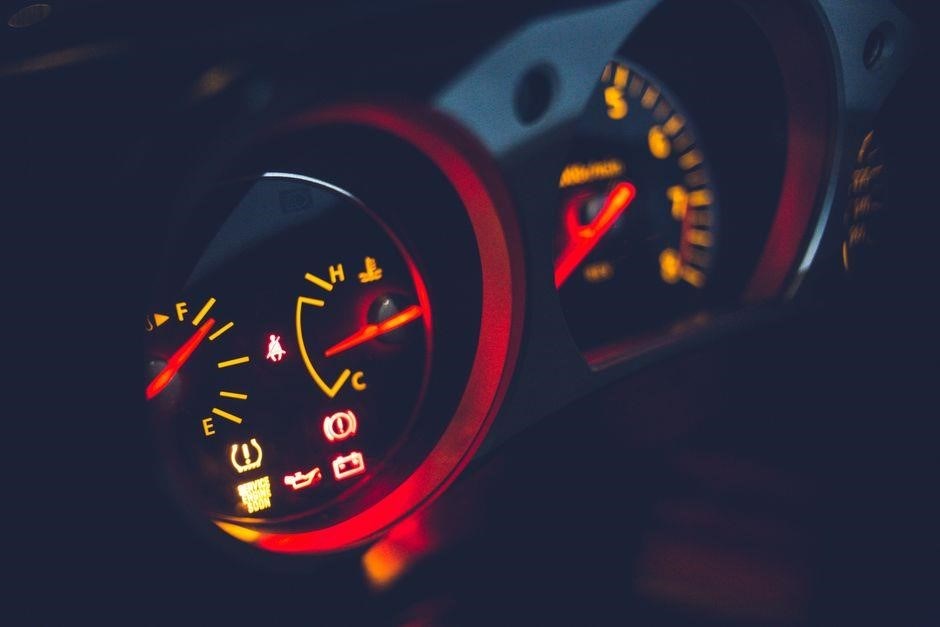
The Ford Fusion’s manual light signals driver‑side alerts, illuminating when the vehicle’s systems detect a fault. It appears on the instrument cluster, guiding owners to consult the Fusion’s owner manuals for diagnostics and corrective action. Proper attention prevents costly repairs soon. !and check. !
Overview of the Manual Light Feature
The manual light on a Ford Fusion is a diagnostic indicator that appears on the instrument cluster when the vehicle’s computer detects a fault in one or more systems. Unlike the more familiar check‑engine light, the manual light is specifically tied to the manual transmission or the vehicle’s manual mode functions. When illuminated, it alerts the driver that a component—such as the shift‑interlock, clutch sensor, or transmission control module—requires attention. The light is usually a yellow or amber icon resembling a wrench or a gear, and it is accompanied by a brief message on the display that may read “Manual Mode” or “Transmission Fault.” Drivers should consult the Fusion’s owner manual for the exact meaning of the symbol and the recommended steps for troubleshooting. The manual light can be triggered by a variety of issues, including a faulty shift‑sensor, a malfunctioning transmission control unit, or a problem with the vehicle’s electronic control system. In many cases, the light will remain on until the fault is cleared by a diagnostic scan or a reset procedure. If the light persists, it may indicate a more serious problem that could affect the vehicle’s drivability or safety. Therefore, it is important to address the warning promptly, either by performing the suggested diagnostics or by seeking professional assistance from a Ford dealer or qualified technician. By understanding the manual light’s purpose and following the guidance in the owner’s manual, owners can maintain their Fusion’s performance and avoid costly repairs.
When the manual light activates, the vehicle’s on‑board diagnostics (OBD‑II) system records a trouble code that can be read with a scanner. Common codes include P0700 (Transmission Control System malfunction), P0720 (Transmission Speed Sensor malfunction), and P0730 (Incorrect Gear Ratio). These codes help technicians pinpoint the exact component that is failing. In addition, the Fusion’s infotainment display may provide a brief description of the fault, allowing drivers to take immediate action such as checking fluid levels, inspecting shift cables, or verifying that the transmission fluid is within the recommended range. If the issue is related to the manual mode selector, the light may also indicate that the selector is stuck or that the linkage is damaged. In such cases, a simple adjustment or replacement of the selector mechanism can restore normal operation. However, if the fault involves the transmission control module, a more extensive diagnostic and repair process is required, often involving software updates or component replacement. By staying informed about the meaning of the manual light and following the troubleshooting steps outlined in the owner’s manual, drivers can keep their Fusion running smoothly and reduce the risk of unexpected breakdowns.

Common Causes of the Manual Light Illumination
The manual light often signals a shift‑sensor fault, low transmission fluid, wiring issues, or a malfunctioning transmission control module. It may also illuminate when the manual mode selector is jammed or the clutch sensor fails, prompting a diagnostic scan.Check fluid levels and sensor connections.!!
Engine and Sensor Faults
When the Ford Fusion’s manual light activates, one of the most frequent culprits is an engine‑related fault or a sensor malfunction. The most common engine sensors that trigger the warning include the mass air flow (MAF) sensor, throttle position sensor (TPS), crankshaft position sensor (CKP), camshaft position sensor (CMP), and the engine coolant temperature sensor (ECT). A dirty or failing MAF sensor can cause the engine control unit (ECU) to misinterpret airflow, leading to rough idle, stalling, or a sudden shift to manual mode. A TPS that is stuck or provides erratic signals forces the ECU to mis‑calculate throttle input, which may prompt the manual light to illuminate as a safety precaution. Crankshaft and camshaft sensors that lose signal or send incorrect data disrupt the engine timing, potentially causing a loss of power or a sudden shift to manual mode. The coolant temperature sensor, if it reports a falsely high temperature, can trigger a thermal protection mode, which may also activate the manual light. In addition, the oxygen (O₂) sensor, which monitors exhaust gases, can cause the ECU to alter fuel maps, leading to a manual light if the sensor is out of spec. Finally, a malfunctioning engine oil pressure sensor can trigger a low‑oil‑pressure warning, which may be displayed as a manual light if the vehicle’s fault‑logic interprets it as a critical engine issue. To diagnose these faults, a mechanic typically uses an OBD‑II scanner to read live data and fault codes. Common codes such as P0101 (MAF sensor circuit low), P0300 (random misfire), P0171 (fuel‑rich condition), or P0420 (catalyst efficiency) are indicative of sensor problems. Once the fault code is identified, the sensor can be inspected, cleaned, or replaced. Proper maintenance of these sensors—regular cleaning of the MAF sensor, ensuring the TPS cable is intact, and checking sensor wiring for corrosion—can prevent the manual light from illuminating unexpectedly. If a sensor fault is confirmed, replacing the faulty component and clearing the fault codes usually restores normal operation and turns off the manual light. However, if the light persists after sensor replacement, further investigation into the ECU or transmission control module may be required. In summary, engine and sensor faults are a primary cause of manual light illumination in the Ford Fusion, and timely diagnosis and repair are essential for maintaining safe and efficient vehicle operation. Additionally, the engine’s knock sensor can trigger the manual light if it detects abnormal combustion patterns. A faulty knock sensor may cause the ECU to shift to a conservative mode, which can be interpreted as a manual mode warning; Inspect the sensor’s wiring harness for damage, and verify its signal output with a multimeter. Replacing the knock sensor often resolves the issue. Maintaining proper spark plug gaps and ensuring the ignition coil is functioning correctly also reduces knock sensor activation. If the manual light remains on after these checks, a deeper diagnostic of the ECU firmware may be necessary. Regularly updating the vehicle’s software via dealership service can also mitigate sensor‑related warnings. Always consult the Ford Fusion owner’s manual for specific sensor specifications and maintenance intervals.

Interpreting the Manual Light Indicator
The manual light icon on the dash turns amber or red when a fault is detected. Amber signals a non‑critical issue, such as a sensor glitch, while red indicates a serious problem requiring immediate attention. Consult the Fusion owner’s manual for details.
Symbol meanings and warning levels
The Ford Fusion’s manual light is a stylized “M” icon that appears on the instrument cluster when the vehicle’s on‑board diagnostics (OBD) system detects a fault. The icon’s color indicates the severity of the issue: amber for a non‑critical condition and red for a serious problem that could affect safety or performance.
When the amber light turns on, it often signals a loose or disconnected sensor, a pending maintenance reminder, or a temporary malfunction that will self‑correct after a few driving cycles. Common examples include a loose MAF (mass airflow) sensor, a minor coolant temperature fluctuation, or a low battery charge that will resolve once the alternator engages. If the light flashes intermittently, it may indicate a transient fault that clears after a few cycles.
Red illumination, on the other hand, indicates a fault that requires immediate attention. This could be a malfunctioning engine sensor, a critical fault in the transmission, or a problem with the vehicle’s safety systems such as airbags or ABS. A red manual light should prompt the driver to pull over safely and seek professional service as soon as possible.
Additional symbols may appear alongside the manual light. A check‑engine icon (a small engine) indicates a diagnostic trouble code (DTC) has been logged; a battery icon warns of charging system issues; a temperature gauge icon signals overheating; and a tire pressure warning may appear if the TPMS detects a low pressure. Each icon’s color and accompanying text help the driver assess urgency and determine the next step.
To interpret the warning levels accurately, consult the Fusion’s owner’s manual. The manual provides a detailed table of symbols, color codes, and recommended actions. For example, amber warnings may be addressed during routine service, whereas red warnings require immediate inspection at a dealership or qualified service center. The manual also explains how to retrieve DTCs using an OBD‑II scanner, how to reset the warning lights after repairs, and lists recommended service intervals for components that commonly trigger the light.

Remember that the manual light is part of the vehicle’s safety and diagnostic system. Ignoring it can lead to further damage or unsafe driving conditions. Always follow the guidance in the owner’s manual and seek professional assistance if the light remains illuminated after basic troubleshooting.

Diagnostic Steps Before Repair
Before attempting any repair, use an OBD‑II scanner to read fault codes. Check for loose or disconnected sensors, especially the MAF and coolant temperature sensors. Verify battery voltage and alternator output. Clear codes after confirming the issue is resolved. Then, check the wiring for corrosion now.
Using OBD‑II scanners and diagnostic tools
When the manual light illuminates on a Ford Fusion, the first step is to connect an OBD‑II scanner to the vehicle’s diagnostic port. The scanner retrieves trouble codes that pinpoint the exact system or component triggering the warning. For example, a code such as P0101 indicates a malfunctioning MAF sensor, which is known to cause the wrench light to activate if it becomes disconnected or fails. Similarly, codes like P0128 or P0129 point to coolant temperature sensor issues, another common cause of the manual light. Once the scanner has read the codes, the technician can cross‑reference them with the Fusion’s owner manual, which lists each code’s meaning and recommended action. The scanner also displays live data streams, allowing the technician to observe sensor readings in real time. By comparing these readings to the manufacturer’s specifications, any abnormal values become apparent. If the scanner shows a voltage drop or a sensor reading outside the normal range, the technician can immediately inspect the wiring harness for corrosion or loose connections. After correcting the identified problem, the technician should clear the codes and verify that the manual light remains off during a test drive. This systematic approach ensures that the root cause is addressed before any mechanical repair is undertaken, saving time and preventing unnecessary part replacements. Additionally, the scanner can read pending codes that may not yet trigger the light but indicate potential future issues. Reviewing these codes helps prioritize maintenance tasks and avoid unexpected failures. Always reset the system after repairs to confirm the light has truly been cleared; Perform a quick reset check now.

Repair and Maintenance Procedures
Check the MAF sensor for dirt, inspect wiring, and clean contacts. Verify coolant temperature sensor accuracy; replace if out of spec. Reset codes after repairs, then test drive to confirm the manual light stays off. Follow Fusion owner manual steps for each fix. Check battery voltage and fuse status.!!!
Step-by-step troubleshooting and fixes
Inspect the fuse box for blown fuses in engine circuits.
If the fuse is intact, use a multimeter to verify the voltage at the MAF sensor connector; a reading below 5V indicates a fault.
Next, visually inspect the MAF sensor for grime or oil buildup; clean it with a dedicated MAF cleaner and allow it to dry fully.
Reconnect the sensor and reset the engine control unit via the OBD‑II port using a compatible scan tool.
If the manual light remains illuminated, check the coolant temperature sensor by measuring resistance at operating temperature; values outside manufacturer specifications require replacement.
Additionally, examine the throttle position sensor wiring for continuity and proper grounding.
Inspect the oxygen sensor wiring for corrosion; a defective O2 sensor can also trigger the manual light.
Verify the vacuum hoses for cracks or leaks, as vacuum loss can affect engine idle and trigger warnings.
If the vehicle is equipped with a start/stop system, test its functionality by observing the engine start sequence; a malfunction may cause the light.
After each component replacement, clear all diagnostic trouble codes and perform a short test drive to confirm the issue is resolved.
Finally, ensure the battery is fully charged and the alternator output is within spec, as low voltage can trigger false warnings.
Review service history for recent work that may disturb sensor connections.
Document each step and retain any replaced parts for warranty verification.
Check parts, OK.
Check all connections for proper grounding OK.

When to Seek Professional Assistance
If the manual light persists after basic checks, or if diagnostic codes indicate eng. or emission system faults, schedule a dealership visit. Persistent low battery voltage, sensor failures, or complex wiring issues should be handled by certified technicians.
Indicators that require a dealership visit
When the manual light remains illuminated after basic troubleshooting, or if the OBD‑II scanner returns codes related to the engine control unit, transmission, or emission control systems, a dealership should be consulted. Persistent low battery voltage, repeated misfire codes, or a malfunctioning mass airflow sensor that triggers the wrench light are red flags. If the vehicle’s check engine light and manual light are both on, indicating a serious fault, professional diagnostics are essential. Additionally, if the vehicle’s electronic throttle control or traction control systems show error codes, or if the vehicle’s battery or alternator fails to maintain proper voltage, a certified technician should inspect the wiring harness, sensors, and control modules. In cases where the manual light flashes or the vehicle exhibits erratic acceleration, stalling, or loss of power, immediate dealership service is recommended to avoid safety risks and potential warranty violations. Finally, if the manufacturer’s warranty covers the affected components, a dealership visit ensures that repairs are performed under warranty terms and that all necessary updates or recalls are addressed. Should you notice any of these indicators, it is prudent to schedule a diagnostic appointment promptly, as early intervention can prevent further damage, preserve vehicle reliability, and maintain compliance with warranty conditions, thereby safeguarding both safety and investment value. Inspecting the fuse box and ensuring connectors are secure can avert many of these issues

Preventive Measures to Avoid Future Issues
Regularly inspect the Fusion’s engine bay for loose or corroded connectors, keep the battery terminals clean, and replace the air filter every 12,000 miles. Follow the owner’s manual service schedule, use OEM parts, and run an OBD‑II scan after any repair to catch lingering faults early and verify all fuses and fast now
Regular maintenance schedules and checks
Ford Fusion owners should adhere to the manufacturer’s recommended intervals, typically every 5,000 miles or six months for oil and filter changes, and every 15,000 miles for spark plugs and air‑filter replacement. A routine inspection of the engine bay should include checking the MAF sensor for dust buildup, ensuring the coolant level remains within the specified range, and inspecting the battery terminals for corrosion. The transmission fluid should be replaced every 30,000 miles, while the brake fluid requires a flush every 24 months. Additionally, the vehicle’s OBD‑II port should be scanned after any repair or at least once a year to clear pending trouble codes and confirm that the manual light has not re‑illuminated. Performing a visual check of all fuses, relays, and wiring harnesses during each service visit helps prevent electrical faults that often cause the manual light to flash. and maintain safety.
In addition to routine fluid changes, the Fusion’s tire rotation and alignment should be performed every 7,500 miles to ensure even wear. Inspect the timing belt or chain at the intervals specified in the owner’s manual, as a failure can trigger multiple warning lights including the manual indicator. Monitor the battery’s charge level with a multimeter during each service; a weak battery can cause intermittent electrical issues that may light the manual warning. Keep a log of all service dates and codes cleared, so future diagnostics are streamlined.

Resources and References
Ford Fusion owners can consult the official manuals on ford.ca, the 2018 Owners Manual, and the 2019 edition for detailed troubleshooting. Online forums, the Ford Owner Community, and certified OBD‑II scanners provide additional support. Maintenance schedules are listed in the manuals. See manuals.!!.
The Ford Fusion owners manual provides comprehensive guidance on the manual light indicator, detailing its purpose, interpretation, and troubleshooting steps. The 2018 and 2019 editions, available through ford.ca and owner.ford.com, contain up‑to‑date schematics, diagnostic codes, and recommended service intervals. Users should consult the section on “Instrument Cluster” to understand the light’s color coding and the conditions that trigger illumination. Additionally, the manuals outline how to use OBD‑II scanners to retrieve fault codes, interpret severity levels, and perform reset procedures. For deeper insights, the Ford Owner Community forums and certified technician resources offer real‑world scenarios and solutions. Maintenance schedules listed in the manuals emphasize regular checks of the MAF sensor, engine oil, coolant, and air filter, all of which can affect the manual light. By following the step‑by‑step instructions in the manuals, owners can quickly identify sensor faults, wiring issues, or software glitches that cause the light to stay on. The manuals also provide guidance on when to seek dealership assistance, ensuring that critical repairs are handled by qualified professionals. Finally, the manuals recommend preventive measures such as timely fluid changes, sensor cleaning, and software updates to avoid future manual light activations. For the most accurate information, always refer to the latest edition of the Ford Fusion owners manual, as specifications may evolve with each model year. Manuals These manuals also contain wiring diagrams and service bulletins for quick reference and tips.