
Air Compressor Troubleshooting Guide ‒ Comprehensive Plan

NAVFAC MO-206, dated January 1989, details crucial maintenance; addressing issues like slipping belts, misalignment, and lubrication, alongside unloader valve concerns.
Effective air compressor operation relies on proactive troubleshooting. This guide, informed by resources like NAVFAC MO-206 (January 1989), provides a systematic approach to diagnosing and resolving common issues. Understanding potential problems – from belt slippage and misalignment to inadequate lubrication and vibrating intercoolers – is paramount.
Regular maintenance, as outlined in detailed manuals, minimizes downtime and extends equipment life. This introduction sets the stage for a comprehensive exploration of troubleshooting techniques, ensuring optimal performance and safety. Correct unloader settings and leak detection are also vital.
Safety Precautions Before Troubleshooting
Prioritize safety before any troubleshooting attempt. Disconnect the air compressor from its power source to prevent accidental startup. Release all air pressure from the tank – a crucial step detailed in maintenance documentation like NAVFAC MO-206. Wear appropriate personal protective equipment (PPE), including safety glasses and gloves.
Be mindful of hot surfaces and moving parts. Never work on a pressurized system. Ensure adequate ventilation, especially when dealing with oil or solvents. Following these precautions minimizes risk during inspection and repair procedures.
Understanding Air Compressor Components

A functional air compressor relies on interconnected parts. NAVFAC MO-206 highlights the importance of understanding these systems. The compressor pump generates pressure, driven by the motor & drive system (belts, pulleys). Compressed air is stored in the tank, regulated by the pressure switch.
Efficient operation also depends on a clean air filter & intake system. Recognizing each component’s role is vital for effective troubleshooting and maintaining optimal performance, as outlined in comprehensive guides.
The Compressor Pump
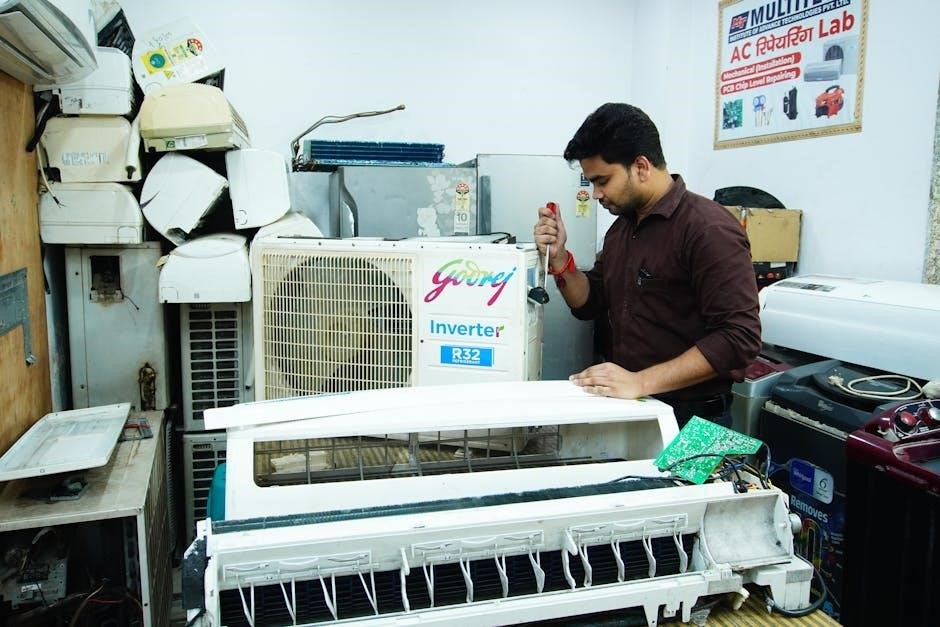
The compressor pump is the heart of the system, responsible for drawing in and compressing air. NAVFAC MO-206 emphasizes its critical role. Issues like worn piston rings or cylinders (mentioned in broader troubleshooting) directly impact pump efficiency.
Valve issues, specifically check valves and reed valves, can prevent proper compression. Regular inspection and maintenance, guided by detailed manuals, are essential for reliable pump operation and preventing costly downtime.
The Motor & Drive System
The motor and drive system transmit power to the compressor pump. NAVFAC MO-206 highlights potential problems like belt slippage and misalignment, leading to reduced performance. A loose pulley or flywheel can also contribute to these issues.
Regularly checking belt tension and alignment is crucial. Addressing these concerns promptly prevents further damage and ensures efficient operation. Proper motor function is also vital; electrical issues can halt the entire system.
The Tank & Pressure Switch
The air tank stores compressed air, while the pressure switch regulates pressure levels. NAVFAC MO-206 references the need to readjust control settings, potentially relating to the pressure switch. Leaks within the tank or associated piping significantly reduce efficiency.
A malfunctioning pressure switch can cause the compressor to run continuously or fail to start. Regular inspection for corrosion and proper calibration are essential for safe and reliable operation. Addressing leaks promptly is also critical.
Air Filters & Intake System
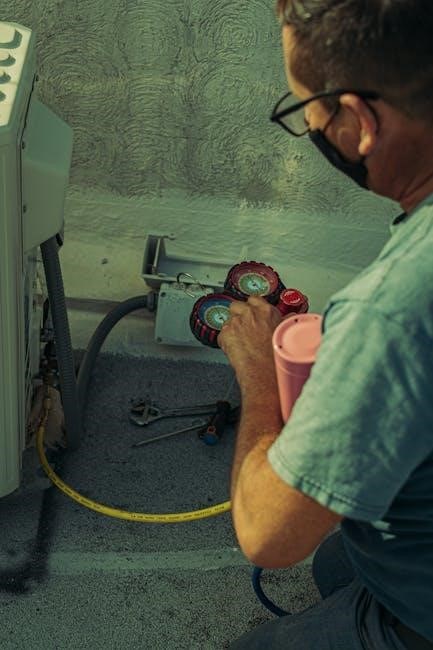
A clean air filter is vital for optimal compressor performance. NAVFAC MO-206 doesn’t directly mention filters, but inadequate maintenance impacts overall efficiency. Clogged filters restrict airflow, leading to reduced air pressure and increased motor strain.
Regularly inspect and replace air filters according to the manufacturer’s recommendations. Ensure the intake system is free from obstructions and leaks. A compromised intake system can introduce contaminants, damaging internal components and shortening the compressor’s lifespan.
Common Air Compressor Problems ― Overview
Based on NAVFAC MO-206 (January 1989), frequent issues include belts slipping, misalignment of V-belts or couplings, and loose pulleys or flywheels. Lower discharge pressure often signals problems needing attention.
Other common concerns involve inadequate lubrication, causing intercooler vibration, and defective unloaders or control systems. Identifying leaks in control air piping is also crucial. Addressing these promptly prevents further damage and ensures consistent compressor operation, as detailed in Table l-2 of the document.
Troubleshooting: Compressor Won’t Start
According to NAVFAC MO-206 (January 1989), initial checks should focus on electrical issues – verifying power supply and checking for tripped breakers. Motor problems, such as overload conditions or winding failures, are also potential causes.
Furthermore, malfunctions within the pressure switch itself can prevent startup. A systematic approach, referencing the troubleshooting chart (Table l-2), is recommended to isolate the root cause and implement the appropriate repair or replacement procedures efficiently.
Electrical Issues (Power Supply, Breakers)
NAVFAC MO-206 (January 1989) emphasizes verifying a stable power supply as the first step when a compressor fails to start. This includes checking the voltage and ensuring the outlet is functioning correctly. Subsequently, inspect the circuit breaker dedicated to the compressor; a tripped breaker indicates an overload or short circuit.
Resetting the breaker may resolve the issue, but recurring trips signal a deeper electrical problem requiring professional attention to prevent further damage or safety hazards.
Motor Problems (Overload, Winding Failure)
NAVFAC MO-206 (January 1989) highlights motor overload as a frequent cause of compressor failure. Overloads often stem from excessive use, insufficient cooling, or a jammed pump. Winding failures, however, represent a more serious issue, typically requiring motor replacement or professional rewinding.
Symptoms include a burning smell, lack of power, or the motor humming without starting. Careful inspection and testing are crucial for accurate diagnosis and safe repair procedures.
Pressure Switch Malfunctions
NAVFAC MO-206 (January 1989) emphasizes the importance of proper pressure switch adjustment and calibration for optimal compressor operation. Malfunctions can manifest as the compressor failing to start, running continuously, or cycling erratically. Incorrect unloader settings, as noted in Table l-2, can also contribute to these issues.

Troubleshooting involves verifying electrical connections, checking for leaks in control air piping, and ensuring the switch is correctly set for the desired pressure range.
Troubleshooting: Compressor Runs But No Pressure Build-Up
NAVFAC MO-206 (January 1989) highlights that a compressor running without pressure build-up often indicates leaks within the system. These can occur in hoses, fittings, or even the tank itself. Table l-2 references repairing or replacing defective unloaders or controls contributing to this issue.
Valve problems, specifically check and reed valves, are also primary suspects, demanding careful inspection for proper sealing and function to maintain pressure.
Leaks in the System (Hoses, Fittings, Tank)
NAVFAC MO-206 (January 1989) directly addresses leaks as a significant cause of pressure loss. Table l-2 implicitly suggests leak detection is vital when a compressor runs without building pressure. Thoroughly inspect all hoses and fittings for cracks, looseness, or damage.
Critically, examine the tank itself for any signs of corrosion or pinhole leaks, potentially using a soapy water solution to identify escaping air. Prompt repair is essential.
Valve Issues (Check Valves, Reed Valves)
NAVFAC MO-206’s troubleshooting chart (Table l-2) points to defective unloaders or controls as potential causes for compressor malfunction. While not explicitly detailing valve issues, the document’s focus on pressure regulation implies their importance.
Faulty check valves can prevent proper air retention, and damaged reed valves hinder efficient compression. Inspect these components for wear, cracks, or improper seating, as they directly impact performance.
Troubleshooting: Low Air Pressure
NAVFAC MO-206 highlights lowering discharge pressure as a symptom requiring attention, suggesting potential issues impacting overall air delivery. A primary cause of low pressure is a clogged air filter, restricting intake.
Additionally, worn piston rings or cylinders diminish compression efficiency. Regular inspection and replacement of these components are vital. Addressing these factors, alongside checking for leaks, will restore optimal air pressure.
Air Filter Clogging
NAVFAC MO-206 implicitly connects restricted airflow to reduced compressor performance, making filter maintenance critical. A clogged air filter significantly restricts intake, leading to lower air pressure and increased motor strain.
Regularly inspect the filter for dirt and debris; cleaning or replacement frequency depends on the operating environment. Ignoring this can cause substantial performance degradation and potentially damage the compressor. Prioritize filter upkeep for optimal efficiency.
Worn Piston Rings or Cylinders
NAVFAC MO-206, while not explicitly detailing piston ring wear, highlights performance drops linked to internal component issues. Worn piston rings or cylinders create leakage, diminishing compression and resulting in reduced air delivery. This manifests as consistently low air pressure despite normal operation.
Diagnosis often requires a compression test. Repair typically involves a complete overhaul, including replacing rings, cylinders, or potentially the entire compressor head, representing a significant expense.
Troubleshooting: Excessive Noise & Vibration
NAVFAC MO-206 directly addresses vibration as stemming from loose components. Excessive noise and vibration often indicate mechanical problems. Common causes include loose mounting bolts – requiring tightening – and belt slippage or misalignment, necessitating readjustment.
Furthermore, the document notes intercooler vibration as a potential source. Inspect for loose connections and ensure proper component alignment. Ignoring these issues can lead to further damage and premature wear.
Loose Mounting Bolts
NAVFAC MO-206 explicitly identifies loose mounting bolts as a direct contributor to compressor vibration and noise. A thorough inspection should be the first step when diagnosing these symptoms. Tighten all mounting bolts securely, ensuring they are within the manufacturer’s specified torque range.
Regularly check bolt tightness as part of preventative maintenance. Vibration can gradually loosen bolts over time, exacerbating the problem and potentially causing further damage to the compressor system.
Belt Slippage & Misalignment
NAVFAC MO-206 directly links belt slippage and misalignment to compressor slowdowns. Inspect V-belts and couplings for proper alignment and tension. Misalignment or looseness causes slippage, reducing efficiency and potentially damaging the belt or pulleys.
Readjust belts to the correct tension and ensure pulleys are aligned. A loose pulley or flywheel can also contribute to these issues, requiring tightening. Correcting these problems restores optimal performance.
Intercooler Vibration & Issues
NAVFAC MO-206 identifies intercooler vibration as a potential problem affecting compressor performance. This vibration often indicates underlying issues, potentially linked to inadequate lubrication within the system. Addressing this promptly prevents further damage and maintains efficient operation.
Vibration can also contribute to lower discharge pressure. Inspect the intercooler mounting and connections, ensuring they are secure. Correcting these issues stabilizes the system and optimizes airflow.

Troubleshooting: Overheating
NAVFAC MO-206 highlights overheating as a critical concern in air compressor operation. A primary cause, as detailed in the document, is inadequate lubrication, leading to increased friction and heat generation. Regularly checking and maintaining proper oil viscosity is essential.
Furthermore, a malfunctioning cooling fan directly contributes to overheating. Ensure the fan operates correctly and isn’t obstructed. Addressing these issues prevents severe damage and extends compressor lifespan.

Inadequate Lubrication
NAVFAC MO-206 explicitly identifies inadequate lubrication as a significant contributor to compressor issues, particularly overheating and increased wear. Utilizing the correct oil viscosity is paramount for optimal performance and component protection.
Regular oil level checks and timely top-ups are crucial preventative measures. Insufficient lubrication causes excessive friction, leading to heat buildup and potential damage to vital parts like pistons and cylinders. Consistent maintenance ensures longevity.
Cooling Fan Malfunction
NAVFAC MO-206 highlights overheating as a key concern, and a malfunctioning cooling fan directly contributes to this. The fan’s primary role is dissipating heat generated during compression, preventing damage to the compressor head and other critical components.
A failed or obstructed fan reduces cooling efficiency, leading to elevated temperatures. Regular inspection of the fan blades and motor is essential. Addressing fan issues promptly prevents costly repairs and extends the compressor’s operational life.
Lubrication Issues & Solutions
NAVFAC MO-206 emphasizes that inadequate lubrication is a frequent cause of compressor failure. Proper oil viscosity and type are paramount for optimal performance and longevity. Regularly checking and topping up the oil level prevents friction and wear on moving parts.
Using the correct oil minimizes heat buildup and ensures smooth operation. Ignoring lubrication needs leads to increased energy consumption, reduced efficiency, and potential catastrophic damage to the compressor pump.
Correct Oil Viscosity & Type
NAVFAC MO-206 stresses utilizing the oil viscosity recommended by the air compressor manufacturer. Incorrect viscosity leads to insufficient lubrication, causing increased wear and potential component failure. Synthetic oils often offer superior performance in extreme temperatures.
Selecting the appropriate oil type—mineral, synthetic, or blend—depends on the compressor’s application and operating conditions. Always consult the compressor’s manual for specific oil specifications to ensure optimal lubrication and prevent damage.
Oil Level Checks & Top-Ups
NAVFAC MO-206 highlights the importance of regular oil level checks. Low oil levels drastically reduce lubrication, accelerating wear on critical components like pistons and cylinders. Check the oil sight glass or dipstick frequently, following the manufacturer’s instructions.
When topping up, use the correct oil type and viscosity. Avoid overfilling, as this can cause foaming and reduced lubrication effectiveness. Consistent monitoring and timely top-ups are vital for compressor longevity.
Air Compressor Belt Maintenance & Adjustment
NAVFAC MO-206 emphasizes addressing belt slippage promptly. Slipping V-belts or misaligned couplings significantly reduce compressor efficiency and can lead to overheating. Regularly inspect belts for wear, cracks, and proper tension.
Readjust belts when necessary, ensuring proper alignment of pulleys and flywheels. Loose pulleys contribute to slippage. Correct tension prevents both slippage and premature bearing failure, maintaining optimal performance and extending belt life.
Pressure Switch Adjustment & Calibration
NAVFAC MO-206 highlights the importance of proper control adjustments, specifically referencing the need to readjust controls when experiencing issues. A malfunctioning or incorrectly set pressure switch can cause the compressor to cycle improperly, leading to inefficient operation or failure to maintain adequate pressure.
Ensure the switch is calibrated to the manufacturer’s specifications. Correct unloader settings are also vital for optimal performance and preventing unnecessary strain on the system.
Unloader Valve Troubleshooting & Repair
NAVFAC MO-206 directly addresses unloader valve issues, stating that a defective unloader or control requires repair or replacement. Furthermore, an incorrect unloader setting necessitates correction for proper function. The unloader valve is critical for regulating pressure during periods of inactivity, preventing wasted energy and motor strain.
Inspect for leaks and ensure proper operation to maintain system efficiency and longevity.
Air Leak Detection Methods
NAVFAC MO-206 highlights the importance of addressing leaks, specifically mentioning “Leaks in control air piping” as a potential issue requiring attention. Effective leak detection is paramount for maintaining compressor efficiency and preventing pressure loss. Methods include using a soapy water solution applied to fittings and connections, listening for hissing sounds, and employing ultrasonic leak detectors.
Regular inspection and prompt repair of leaks are crucial for optimal performance.
Troubleshooting Control Air Piping Leaks
NAVFAC MO-206 directly identifies “Leaks in control air piping” as a fault needing correction. These leaks disrupt proper compressor operation and can lead to intermittent issues. Troubleshooting involves visually inspecting all piping, fittings, and connections for cracks or looseness.
Tighten fittings, replace damaged components, and utilize leak detection solutions to pinpoint the source. Ensure proper sealing for optimal control system function.
Diagnosing & Repairing Check Valve Problems
NAVFAC MO-206 highlights the importance of a functioning unloader or control system, implying check valve integrity is crucial. Diagnosing involves checking for proper seating and reverse flow. Repair or replacement is necessary if valves are defective, as per the document.
Inspect for debris, corrosion, or damage to the valve seat and disc. Ensure correct installation direction during replacement to maintain proper airflow and pressure.
Using a Troubleshooting Chart (Referencing NAVFAC MO-206)
NAVFAC MO-206 provides TABLE l-2, a comprehensive troubleshooting chart. This resource aids in pinpointing issues like defective unloaders or controls, requiring repair or replacement. It also addresses incorrect unloader settings needing adjustment.
The chart guides users through identifying problems based on symptoms, offering solutions like leak detection in control air piping and correcting unloader settings for optimal performance.
Preventative Maintenance Schedule
Regular maintenance, as outlined in resources like NAVFAC MO-206, is crucial for longevity. This includes routinely slowing down the compressor to inspect for belt slippage or misalignment.
Tighten loose pulleys and flywheels, ensuring adequate lubrication to prevent intercooler vibration. Consistent checks and adjustments, referencing the troubleshooting chart, minimize downtime and maximize efficiency, preventing costly repairs and ensuring reliable operation.

Resources for Air Compressor Parts & Repair
Locating reliable parts and skilled repair services is vital. NAVFAC MO-206, while focused on maintenance, implicitly highlights the need for replacement components when issues like defective unloaders or control valves are identified.
Online suppliers, local industrial equipment dealers, and manufacturer-authorized service centers offer parts and expertise. Prioritize genuine parts for optimal performance and longevity, referencing your compressor’s PDF manual for specific requirements.
Air Compressor PDF Manuals & Documentation
Accessing your air compressor’s PDF manual is paramount for effective troubleshooting. These documents detail specific components, maintenance schedules, and safety procedures. NAVFAC MO-206 emphasizes correct operation, achievable through understanding manufacturer guidelines.
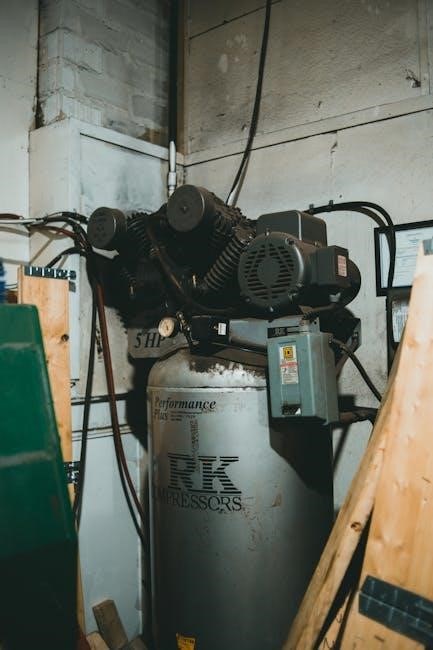
Manufacturers often provide manuals on their websites. Search using the model number. These resources are invaluable for identifying parts, understanding system diagrams, and performing accurate repairs, ensuring safe and efficient operation.