
Pickleball Paddle Weight Guide: A Comprehensive Overview (Updated 04/22/2026)
Navigating pickleball paddle weight is crucial for performance and comfort; understanding how weight impacts maneuverability, power, and stability is key to selecting the ideal paddle.
Understanding Pickleball Paddle Weight
Pickleball paddle weight, measured in ounces, significantly influences gameplay. It’s not simply about heavier being better; the optimal weight depends on individual playing style, strength, and experience. Paddles generally fall into three categories: lightweight (under 7.4 oz), midweight (7.4-8.0 oz), and heavyweight (8.0 oz and above).
Manufacturers like Just Paddles and Revolin have slightly differing definitions of “lightweight,” highlighting the importance of checking specific product details. Weight affects swing speed, control, and power generation. Furthermore, understanding the difference between actual paddle weight and swing weight – how heavy it feels during a swing – is vital for informed decision-making. Slight variations in manufacturing, like adhesive or grip length, can also impact the final weight.
Why Paddle Weight Matters
Paddle weight directly impacts a player’s ability to generate power, control shots, and react quickly. Lighter paddles enhance maneuverability, allowing for faster hand speed and quicker reflexes at the net, beneficial for defensive play. Conversely, heavier paddles provide increased stability and momentum, translating to more powerful drives and put-aways.
The right weight can also minimize strain and fatigue, particularly during extended play. Players transitioning from tennis or badminton will find adjusting paddle weight crucial. Swing weight, determined by weight distribution, further influences feel and control. Ultimately, selecting a weight that complements your style maximizes performance and minimizes risk of injury, especially concerning shoulder health.
Lightweight Pickleball Paddles (Under 7.4 oz)
Lightweight paddles, typically under 7.4 ounces, prioritize agility and quick hand speed. These are excellent for players who favor dinking, volleying, and quick reactions at the net. They require less effort to swing, reducing fatigue during long rallies and making them ideal for beginners or those with limited upper body strength.
However, lightweight paddles may sacrifice some power and stability. Generating forceful drives can be more challenging, and they may feel less stable when facing hard-hit balls. Players accustomed to heavier racquets might find the transition requires adjustment to control and power generation.
Benefits of Lightweight Paddles
Lightweight pickleball paddles offer significant maneuverability, allowing for faster reaction times at the net and quicker transitions between shots. This agility is particularly beneficial for players focusing on dinking and volleying strategies. Reduced swing weight minimizes fatigue, enabling longer play sessions without compromising performance.
These paddles are exceptionally user-friendly, making them ideal for beginners or individuals with physical limitations; The lighter weight requires less strength to control, fostering quicker skill development. Furthermore, the enhanced control facilitates precise shot placement and improved accuracy, contributing to a more enjoyable playing experience.
Drawbacks of Lightweight Paddles
While offering agility, lightweight paddles can lack the power needed for aggressive drives and put-away shots. The reduced weight translates to less momentum behind each swing, potentially resulting in weaker offensive capabilities. Stability can also be a concern, as these paddles may transmit more vibrations to the hand and arm, impacting control during forceful impacts.
Players accustomed to heavier racquets from tennis or badminton might find lightweight paddles feel unstable or lacking in substantial feel. Wind resistance can also be more pronounced, affecting shot accuracy in outdoor conditions. Ultimately, the trade-off between maneuverability and power must be carefully considered.
Midweight Pickleball Paddles (7.4 ౼ 8.0 oz)
These paddles represent a versatile compromise, blending maneuverability with sufficient power and stability. The 7.4 to 8.0-ounce range offers a balanced feel, allowing for both controlled dinks and assertive drives. This weight class is often considered the “sweet spot” for many players, providing a comfortable transition for those switching from other racquet sports.

Midweight paddles excel in providing a blend of control and power, making them suitable for all-court players. They offer a good balance, reducing fatigue during extended play while still delivering enough weight for effective shot-making. They are frequently recommended for players developing their skills.
The Sweet Spot: Balance and Control
The appeal of midweight paddles lies in their exceptional balance, offering a harmonious blend of control and power. This allows players to execute delicate dinks with precision, while still possessing enough weight to generate effective drives and volleys. The balanced weight distribution minimizes vibrations, enhancing feel and touch.
This balance translates to improved consistency and accuracy, enabling players to confidently place shots where intended. The paddle’s responsiveness facilitates quick reactions at the net, and the manageable weight reduces strain during prolonged rallies. It’s a comfortable middle ground for diverse playing styles.
Ideal for Intermediate Players
Midweight paddles (7.4 ⎻ 8.0 oz) are particularly well-suited for intermediate pickleball players, bridging the gap between beginner and advanced techniques. These players are typically developing their skills and seeking a paddle that supports their growth without being overly restrictive.
The balanced nature of these paddles allows for experimentation with different shot types, fostering a more versatile game. They provide enough power to confidently attack, yet remain forgiving enough for refining control and touch. This encourages players to explore their potential and build a solid foundation.
Heavyweight Pickleball Paddles (8.0 oz and Above)
Heavyweight paddles, weighing 8.0 ounces and above, offer significant advantages in power and stability, appealing to players with established swings and a desire for aggressive play. The increased mass translates to greater momentum behind each shot, enabling deeper drives and more forceful put-aways.
However, it’s crucial to consider the potential impact on shoulder health. The extra weight demands more effort during swings, potentially leading to fatigue or strain. Players transitioning to heavier paddles should do so gradually, focusing on proper technique to mitigate risk. These paddles are best for those prioritizing power over finesse.
Power and Stability Advantages
Heavyweight pickleball paddles excel in delivering raw power, allowing players to generate forceful shots with less effort. The increased mass behind the ball translates to deeper drives and more challenging passing shots for opponents. This is particularly beneficial for aggressive baseline players seeking to dictate the pace of play.
Beyond power, heavier paddles offer enhanced stability. The extra weight resists twisting upon off-center hits, providing greater control and consistency. This stability is invaluable during fast-paced rallies and defensive blocks, minimizing errors and maximizing shot accuracy. A stable paddle feels more solid and connected to the ball.
Considerations for Shoulder Health
While heavyweight paddles offer performance benefits, players must consider potential strain on their shoulders and elbows. Swinging a heavier paddle repeatedly can contribute to fatigue and, over time, increase the risk of injuries like rotator cuff tendinitis or tennis elbow. Proper warm-up routines and strengthening exercises are crucial to mitigate these risks.
Players with pre-existing shoulder issues should exercise caution and potentially opt for lighter paddle options. Gradually increasing paddle weight over time, rather than immediately adopting a heavy paddle, can help the body adapt. Listening to your body and prioritizing proper technique are essential for preventing injuries.
How Paddle Weight Affects Different Play Styles
Paddle weight significantly influences how a player approaches the game. Defensive players often benefit from lighter paddles, enhancing their reaction time and maneuverability at the net for quick blocks and dinks. These paddles allow for faster hand speed and greater control in delicate shot-making.
Conversely, offensive players frequently favor heavier paddles to generate more power on drives and resets. The added weight provides stability during aggressive swings, translating into increased ball speed and depth. However, this comes at the cost of some maneuverability, requiring greater strength and technique.
Weight for Defensive Players
Defensive pickleball players thrive with lighter paddles, generally under 7.4 oz. This weight range prioritizes quick hand speed and agility at the net, crucial for reacting to fast-paced exchanges and executing soft dinks. Lighter paddles minimize strain during extended rallies, allowing for sustained defensive positioning.
Maneuverability is paramount for blocking and redirecting shots, and a lighter paddle facilitates rapid adjustments. The reduced weight also enhances control, enabling precise placement of dinks and drops. While power may be slightly compromised, defensive players rely more on placement and strategy than brute force.
Weight for Offensive Players
Offensive pickleball players typically favor midweight to heavyweight paddles, ranging from 7.4 oz upwards. This added weight provides increased power and stability for aggressive drives and put-away shots. Heavier paddles generate more momentum, translating to greater ball speed and depth. Stability is also enhanced, minimizing twisting and maximizing control during powerful swings.
Players who frequently attack the net and aim for winners benefit from the increased weight, allowing them to dictate the pace of play. While maneuverability may be slightly reduced, the offensive advantages often outweigh this drawback. A heavier paddle can also help absorb the impact of hard-hit balls, improving comfort and control.
Swing Weight vs. Actual Paddle Weight
While actual paddle weight is a straightforward measurement, swing weight is how heavy the paddle feels during motion. It’s determined not just by mass, but by how that weight is distributed throughout the paddle’s head, shaft, and grip. A paddle can have a moderate actual weight but feel heavier due to a head-heavy balance.
Swing weight significantly impacts maneuverability and power. A higher swing weight requires more effort to swing but generates more power. Conversely, a lower swing weight feels faster and easier to maneuver, but may sacrifice some power. Understanding this distinction is crucial; a paddle’s listed weight doesn’t tell the whole story.
Factors Influencing Paddle Weight
Paddle weight isn’t solely determined by size; core and surface materials play significant roles. Core materials, like polypropylene or Nomex, contribute differently to overall weight. Denser cores add weight and stability, while lighter cores prioritize maneuverability. Similarly, surface materials – graphite, carbon fiber, or composite – impact weight and power.
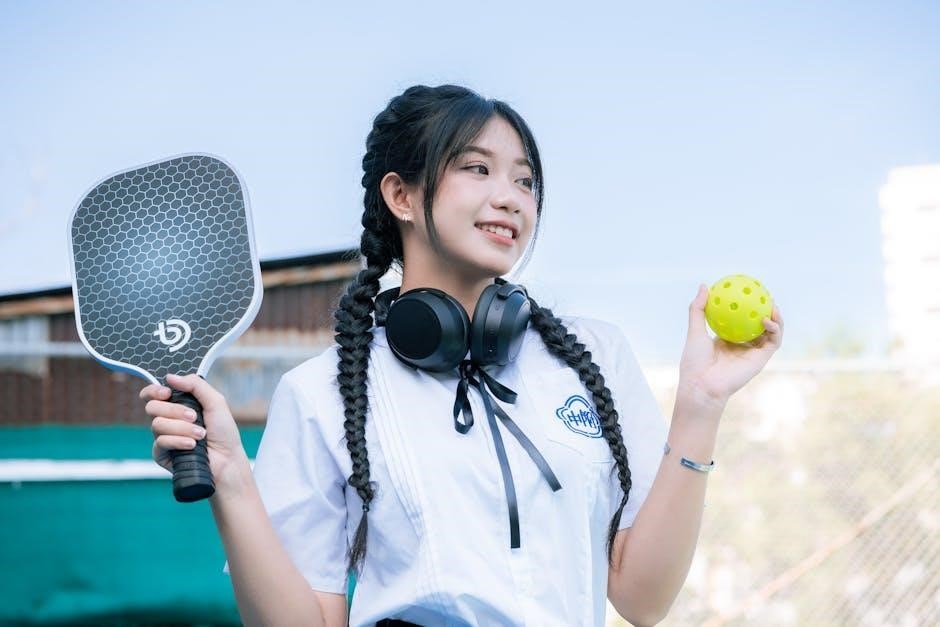
Even minor manufacturing details affect weight. The amount of adhesive used, grip length, and slight variations in material density can all contribute. Selkirk Sport notes even small elements can influence the final weight. These subtle differences highlight why paddle weights can vary slightly, even within the same model.
Core Material and Weight Contribution
The core material is a primary determinant of a pickleball paddle’s weight and feel. Polypropylene cores are generally lighter, enhancing maneuverability and control, making them suitable for players prioritizing quick reactions. Nomex cores, however, are denser and heavier, providing increased stability and power, favored by aggressive players.

Core thickness also influences weight distribution. Thicker cores add weight and a larger sweet spot, while thinner cores reduce weight but may decrease forgiveness. Manufacturers carefully balance core material and thickness to achieve desired weight and performance characteristics, impacting the paddle’s overall responsiveness and power potential.
Surface Material and Weight Impact
The surface material significantly contributes to a pickleball paddle’s weight and playing characteristics. Graphite faces are lightweight, offering excellent touch and control, ideal for finesse players. Composite materials, like fiberglass or carbon fiber, add durability and a bit more weight, enhancing power without sacrificing too much feel.
The number of layers in the surface also affects weight. More layers generally increase weight and durability, while fewer layers prioritize lightness and responsiveness. Manufacturers strategically choose surface materials and layering techniques to balance weight, power, and control, catering to diverse playing styles and preferences.
Grip Size and its Relation to Perceived Weight
While grip size doesn’t alter a paddle’s actual weight, it dramatically influences how heavy it feels during play. A larger grip can make a paddle seem heavier and more powerful, providing a more substantial feel in your hand. Conversely, a smaller grip can make the paddle feel lighter and quicker, enhancing maneuverability and wrist action.
The correct grip size promotes comfort and control, reducing strain and allowing for a more natural swing. An improperly sized grip – too large or too small – can negatively impact your game, making the paddle feel awkward and affecting your ability to generate power and spin. Finding the right fit is crucial.
USAPA Weight Regulations
The USA Pickleball Association (USAPA) has specific regulations regarding paddle weight to ensure fair play and maintain the integrity of the sport. These regulations dictate that a legal pickleball paddle, for sanctioned tournament play, must not exceed a total weight of 24 ounces. This includes the paddle head, grip, and any attached accessories.
The USAPA’s weight limit is in place to prevent players from gaining an unfair advantage through excessively heavy paddles. Paddles exceeding this weight are deemed illegal for competitive events. Manufacturers adhere to these standards, and paddles are routinely tested to confirm compliance. Players should always verify USAPA approval before using a paddle in a tournament.
Popular Paddle Brands and Their Weight Ranges
Several prominent brands offer a diverse range of pickleball paddles, each with varying weight characteristics to suit different playing styles. Selkirk Sport paddles generally fall between 7.3 and 8.8 ounces, catering to both lightweight maneuverability and heavier power. Just Paddles categorizes paddles with options under 7.4oz as lightweight, while their heavier models extend beyond 8.5 ounces, offering a broad spectrum.
Revolin paddles typically range from 7.8 to 8.3 ounces, focusing on a balanced feel. These weight ranges are approximate, and specific models within each brand will deviate. Players should consult individual product specifications for precise weight details when making a purchase decision.
Selkirk Sport Paddle Weights
Selkirk Sport is renowned for its innovative paddle technology and diverse weight offerings. Their paddles generally span from approximately 7.3 ounces for ultra-lightweight models, ideal for players prioritizing quick hand speed and finesse, up to 8.8 ounces for those seeking enhanced power and stability.

Popular Selkirk series, like the Vanguard Power Air Invikta, often fall in the mid-weight range (7.5-8.0oz), providing a balance of control and power. The Amped series tends towards lighter weights, while the Extreme Air series offers heavier options. Slight variations exist even within series due to core material and grip size, so checking specific model details is crucial.
Just Paddles Weight Categories
Just Paddles categorizes pickleball paddle weights to assist players in finding their perfect fit. They define a lightweight paddle as anything under 7.4 ounces, emphasizing maneuverability and quick reactions at the net. Mid-weight paddles range from 7.4 to 8.0 ounces, offering a versatile balance between power and control – suitable for all-around players.
Heavier paddles, exceeding 8.0 ounces, are favored by those prioritizing stability and driving power from the baseline. Just Paddles’ detailed filtering system allows users to easily narrow their search based on these weight categories, alongside other crucial factors like core material and grip size, ensuring a tailored paddle selection process.
Revolin Paddle Weight Standards
Revolin employs specific weight classifications to guide players toward optimal paddle choices. Unlike some brands, Revolin considers paddles under 7.8 ounces to be lightweight, slightly differing from Just Paddles’ 7.4-ounce threshold. This distinction highlights the subjective nature of weight perception and the importance of individual preference.
Their mid-weight range typically falls between 7.8 and 8.3 ounces, providing a balance for players seeking both control and power. Heavier Revolin paddles, exceeding 8.3 ounces, cater to aggressive baseliners who prioritize stability and forceful shots. Revolin emphasizes that even minor variations in manufacturing can subtly affect the overall weight and feel of a paddle.
Tools for Comparing Paddle Weights and Stats
Several online resources empower players to compare pickleball paddle weights and performance metrics effectively; Dinkbase stands out as a comprehensive paddle analysis tool, aggregating data from USAPA-approved paddle lists and reviews from respected sources like John Kew, Pickleball Effect, and Pickleball Studio.
Dinkbase allows users to browse paddles, filtering by manufacturer, shape, and other characteristics. It offers sorting options based on spin, twist weight, pop, and price, facilitating informed decision-making. Detailed paddle profiles showcase dimensions and performance metrics, while visual tools enable comparisons of stat distributions. Direct comparisons of up to three paddles are possible, with a “Randomize” feature for exploratory analysis.
Dinkbase: A Paddle Analysis Tool
Dinkbase is a powerful resource for pickleball enthusiasts seeking detailed paddle analysis. This tool aggregates data from USAPA-approved paddles alongside expert reviews from sources like John Kew, Pickleball Effect, and Pickleball Studio, providing a centralized hub for information.
Users can easily browse paddles, narrowing their search by manufacturer or shape. Sorting options based on key metrics—spin, twist weight, pop, and price—allow for customized comparisons. Individual paddle profiles offer comprehensive dimensions and performance data, while interactive visualizations help understand stat distributions. The ability to compare up to three paddles simultaneously, even with randomized selections, enhances the analytical process.

How Slight Variations Affect Weight
Even seemingly minor manufacturing details can influence a pickleball paddle’s final weight. These subtle differences, though often negligible individually, collectively contribute to variations between seemingly identical models. The amount of adhesive used during construction plays a role, with even a small increase adding to the overall weight.
Similarly, grip length impacts the total weight; a shorter grip will result in a lighter paddle. These variations highlight the importance of checking specific paddle weights rather than relying solely on advertised categories. Manufacturers acknowledge these nuances, recognizing that achieving absolute consistency is challenging, and slight deviations are common.
Finding the Right Weight for Your Transitioning from Other Racquet Sports
Players transitioning from tennis often find success with midweight pickleball paddles (7.4-8.0 oz). Tennis racquets are generally heavier, so a midweight paddle provides a familiar feel without the strain of a significantly lighter option. Conversely, those coming from badminton, where racquets are considerably lighter, will likely prefer lightweight paddles (under 7.4 oz) for enhanced maneuverability.

This adjustment period is crucial; starting with a weight close to your previous racquet helps maintain technique and comfort. Experimentation is key, as individual preferences vary. Consider your playing style – power players might lean towards heavier options, while control-oriented players may favor lighter paddles.
Tennis Racquet to Pickleball Paddle Weight
Tennis players accustomed to heavier racquets (often 10-11.5 oz) should initially gravitate towards midweight pickleball paddles, typically ranging from 7.4 to 8.0 ounces. This provides a comfortable transition, retaining some familiar heft while adapting to the smaller paddle surface and different swing mechanics. A direct conversion isn’t ideal, as pickleball emphasizes finesse and control more than raw power.
Starting midweight allows players to adjust without overwhelming their wrists or shoulders. Gradually experimenting with slightly lighter or heavier options can fine-tune the feel. Selkirk Sport suggests that those who preferred average to lighter tennis racquets will likely enjoy lightweight pickleball paddles.
Badminton Racquet to Pickleball Paddle Weight
Badminton players, used to extremely lightweight racquets (typically under 9 oz, often around 7 oz), will likely find lightweight pickleball paddles (under 7.4 oz) the most natural starting point. The transition requires adjusting to a significantly larger hitting surface and a different swing style, but the familiar lightness will aid maneuverability.

However, the increased paddle size and need for control in pickleball might necessitate a slight increase in weight over time. Experimenting with paddles in the 7.4-8.0 oz range can provide added stability and power without sacrificing too much agility. Focus on developing wrist control to compensate for the heavier feel.
Testing Paddle Weights Before Buying
Whenever possible, demoing pickleball paddles is highly recommended before committing to a purchase. Perceived weight can differ significantly from the listed weight due to factors like balance and grip size. Many retailers and clubs offer demo programs, allowing you to experience various weights firsthand.
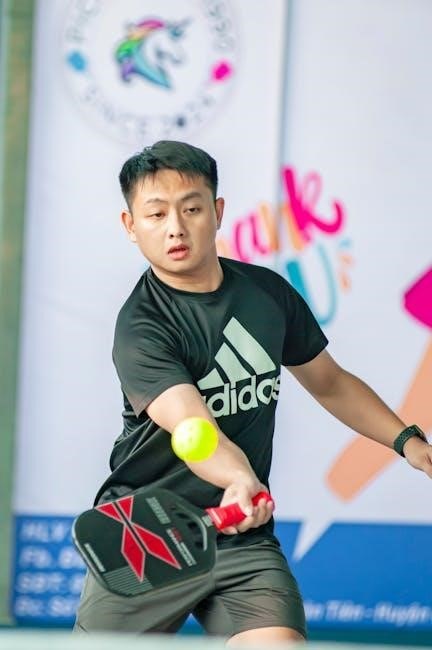
During testing, focus on your comfort level during dinking, volleying, and driving. Pay attention to how easily you can swing the paddle and whether you feel stable during power shots. Slight variations in weight can have a noticeable impact on paddle feel and performance, so thorough testing is crucial for finding the perfect fit.
The Impact of Weight Distribution on Paddle Feel

Weight distribution profoundly influences how a pickleball paddle feels during play, often more so than the overall weight itself. A head-heavy paddle feels more powerful but less maneuverable, while a head-light paddle offers greater control and quicker reactions.
Balance point, measured from the base of the handle, dictates this feel. Paddles with weight concentrated in the handle promote faster swings and better wrist action. Conversely, weight towards the paddle face enhances stability and power on impact. Understanding your preferred balance is vital for optimizing paddle feel and performance.
Paddle Weight and Spin Generation
Paddle weight significantly impacts a player’s ability to generate spin. Lighter paddles (under 7.4oz) allow for faster swing speeds and quicker wrist action, crucial for creating topspin and slice. However, they may lack the mass to impart substantial spin on off-center hits.
Mid-weight and heavier paddles (7.4oz+) offer more mass to “grab” the ball, enhancing spin potential, especially during drives and dinks. Swing weight, determined by weight distribution, also plays a role; a higher swing weight generally translates to greater spin. Finding the right balance between weight and swing speed is key to maximizing spin generation.
Paddle Weight and Power Generation
Heavier pickleball paddles (8.0oz and above) generally offer greater power potential. The increased mass translates to more force upon impact, resulting in faster ball speeds and more aggressive drives. However, this power comes at the cost of maneuverability and can be fatiguing over extended play.
Lighter paddles require more effort to generate power, relying on faster swing speeds and proper technique. Mid-weight paddles strike a balance, providing a reasonable level of power without sacrificing too much control or maneuverability. Swing weight is also critical; a paddle with weight concentrated towards the head will deliver more power.
Where to Find Accurate Paddle Weight Information
Finding reliable paddle weight data can be challenging, as manufacturer specifications aren’t always precise. Dinkbase emerges as a valuable resource, aggregating data from multiple reviewers like John Kew, Pickleball Effect, and Pickleball Studio, offering a comprehensive analysis tool.
Pickleball Central and individual brand websites (Selkirk Sport, Just Paddles, Revolin) provide listed weights, but variations can occur. Always cross-reference information and consider user reviews. Remember that slight manufacturing differences can affect actual weight, so independent testing data is preferable for informed decisions.