
The ANSI Z308.1-2024 standard outlines updated requirements for workplace first aid kits, ensuring preparedness for common injuries. Compliance is crucial for workplace safety and OSHA adherence.
Overview of ANSI Z308.1 Standard
The ANSI Z308.1 standard provides minimum requirements for workplace first aid kits, ensuring they are equipped to handle common injuries. Updated in 2024, it classifies kits into Class A, B, and C based on workplace hazards. The standard also defines Types I, II, and IV kits, catering to stationary, portable, and waterproof needs. It specifies mandatory supplies like bandages, antiseptics, and gloves, emphasizing restocking and regular inspections. Compliance with this standard ensures workplaces are prepared for emergencies, aligning with OSHA regulations and promoting employee safety.
Importance of Compliance with ANSI First Aid Kit Requirements
Compliance with ANSI Z308.1 ensures workplaces are equipped to handle medical emergencies effectively. It minimizes injury risks, reduces recovery time, and prevents minor injuries from worsening. Adherence to the standard also aligns with OSHA regulations, avoiding potential penalties. Properly stocked and maintained kits demonstrate a commitment to employee safety, fostering trust and productivity. Regular inspections and restocking are critical to maintaining compliance, ensuring all supplies are usable and up-to-date. This proactive approach safeguards both employees and employers, promoting a safer work environment.

History and Evolution of ANSI First Aid Standards
ANSI first aid standards have evolved since 1967, with periodic updates reflecting workplace safety needs. The 2024 requirements build on decades of refinement, ensuring modern safety standards.
Previous Versions of ANSI Z308.1 (2015, 2009)
The 2015 version introduced updated supply requirements, including tourniquets and hemostatic agents, reflecting modern first aid practices. The 2009 edition established a framework for kit classification and supply quantities, ensuring consistency across workplaces. Both versions laid the groundwork for the 2024 updates, which further refined requirements to address evolving workplace safety needs and industry-specific hazards, ensuring first aid kits remain effective and adaptable to various environments.
Key Changes in the 2024 Requirements
The 2024 ANSI Z308.1 standard introduces updated supply requirements, including additional tourniquets and hemostatic dressings, reflecting modern first aid practices. It also clarifies quantities for specific items and expands guidance on industry-specific needs. The changes aim to enhance preparedness for severe injuries and align with OSHA standards. These updates ensure first aid kits are more comprehensive, addressing evolving workplace hazards and improving response capabilities for various environments and employee needs.
Classes of First Aid Kits
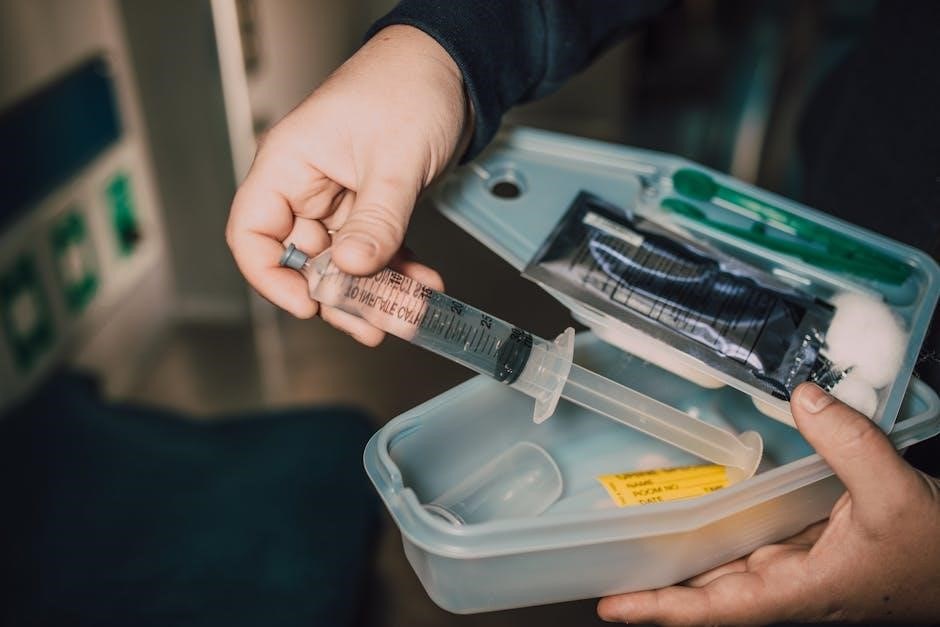
ANSI Z308.1-2024 categorizes first aid kits into Class A, B, and C, each designed for varying workplace hazards and employee numbers, ensuring appropriate medical response preparedness.
Class A First Aid Kits
Class A first aid kits are designed for general workplace injuries, such as minor cuts, burns, and scrapes. They include basic supplies like bandages, antiseptics, gloves, and a first aid manual. These kits are suitable for low-hazard environments with fewer employees. The ANSI Z308.1-2024 standard specifies the minimum contents for Class A kits, ensuring they meet essential first aid needs in smaller or less hazardous workplaces. Compliance with these requirements helps employers provide adequate care for common injuries, promoting workplace safety and OSHA adherence.
Class B First Aid Kits
Class B first aid kits are designed for higher-risk workplaces with more severe potential injuries. They include additional supplies like splints, eye wash solutions, and increased quantities of bandages and antiseptics. These kits are suitable for environments with greater hazards, such as construction or manufacturing sites. The ANSI Z308.1-2024 standard requires Class B kits to provide comprehensive care for injuries like deep cuts, burns, or broken limbs, ensuring workplaces with higher employee counts or hazard levels are adequately prepared for emergencies.
Class C First Aid Kits
Class C first aid kits are typically used in high-hazard environments, such as heavy construction or manufacturing. They include a broader range of supplies, including advanced wound care items, tourniquets, and splints. These kits are designed to handle severe injuries, including those requiring immediate attention. The ANSI Z308.1-2024 standard specifies that Class C kits must be equipped to manage life-threatening situations, making them essential for workplaces with significant safety risks and higher employee numbers.
Types of First Aid Kits
ANSI categorizes first aid kits into types based on portability and durability. Type I kits are stationary, Type II are portable, Type III collapsible, and Type IV waterproof.
Type I: Stationary Kits
Type I first aid kits are designed for stationary use, typically mounted on walls in fixed locations. They are ideal for low-hazard environments with minimal employee movement. These kits are often used in offices or small workplaces. The ANSI Z308.1-2024 standard requires Type I kits to include essential supplies like bandages, antiseptics, gloves, and a first aid manual. They are a cost-effective solution for businesses needing basic first aid preparedness while ensuring OSHA compliance. Suitable for small businesses with limited hazards.
Type II: Portable Kits
Type II first aid kits are designed for portable use, making them ideal for mobile work environments. They are equipped with carrying handles for easy transport and are suitable for workplaces with moderate hazards. These kits must meet ANSI Z308.1-2024 standards, including essential supplies like bandages, antiseptics, gloves, and a first aid manual. They are commonly used in construction sites, fieldwork, or areas where accidents may occur away from a fixed location. Ensures readiness for emergencies in dynamic settings while maintaining compliance with safety regulations.
Type III: Collapsible Kits
Type III first aid kits are collapsible, designed for easy storage and transport in rugged or remote environments. They meet ANSI Z308.1-2024 standards, offering essential supplies like bandages, antiseptics, and gloves. These kits are ideal for large workplaces or industries with high-risk activities, ensuring quick access to medical supplies. Their collapsible design allows for space-saving storage while maintaining readiness for emergencies. They are a practical choice for workplaces requiring durable, portable first aid solutions that comply with updated safety regulations.
Type IV: Waterproof Kits
Type IV first aid kits are waterproof, designed for use in wet or marine environments. They meet ANSI Z308.1-2024 standards, ensuring supplies remain dry and usable. These kits are ideal for outdoor, construction, or marine settings where moisture is a concern. Durable and sealed, they protect contents from water damage, making them essential for industries requiring robust, weather-resistant first aid solutions. They are a critical choice for workplaces exposed to wet conditions, ensuring emergency supplies remain effective and accessible.

Mandatory Items in ANSI First Aid Kits
ANSI Z308.1-2024 requires specific items like bandages, antiseptics, medical gloves, and a first aid manual. These essentials ensure compliance and readiness for treating workplace injuries effectively.
Bandages and Wound Care
ANSI Z308.1-2024 requires first aid kits to include assorted bandages, such as adhesive strips, gauze pads, and rolls. These items are essential for treating minor wounds, cuts, and burns. The standard specifies quantities and sizes to ensure adequate coverage for common injuries. Antiseptic wipes and medical tape are also mandated to promote proper wound cleaning and dressing. These supplies help prevent infection and stabilize injuries until professional medical care is available, aligning with OSHA’s emphasis on workplace safety and preparedness.
Medical Gloves and Hand Protection
ANSI Z308.1-2024 requires first aid kits to include medical gloves, such as disposable latex or nitrile, to protect responders from bodily fluids. Kits must provide at least two pairs of gloves in various sizes to ensure proper fit. Hand protection is critical for infection control and maintaining hygiene during first aid administration. This requirement aligns with OSHA’s emphasis on workplace safety and preventing occupational exposure to bloodborne pathogens, ensuring responders can provide care confidently and safely.
Antiseptics and Disinfectants
ANSI Z308.1-2024 requires first aid kits to include antiseptics and disinfectants to prevent infection. Kits must contain at least 10 antiseptic wipes and one hand sanitizer with at least 60% alcohol. These items are essential for cleaning wounds, disinfecting surfaces, and maintaining hygiene. Proper use of antiseptics aligns with OSHA’s focus on infection control and workplace safety, ensuring effective treatment of minor injuries while reducing the risk of contamination and promoting a safer environment for employees.
First Aid Manual and Guides
A first aid manual is a mandatory item in ANSI Z308.1-2024 compliant kits. It provides step-by-step guidance for treating injuries, from minor cuts to more severe conditions. The manual ensures employees can administer proper care while awaiting professional medical help. Updated in 2024, it reflects current best practices in first aid, aligning with OSHA standards to promote workplace safety and effective injury response. Its inclusion is critical for empowering workers to act confidently in emergencies.
OSHA Compliance and ANSI Standards
OSHA requires workplaces to comply with ANSI Z308.1 standards for first aid kits. Regulation 1910.151(b) mandates adequate first aid supplies, referencing ANSI guidelines for minimum content requirements.

OSHA Regulation 1910.151(b)
OSHA Regulation 1910.151(b) mandates that employers provide adequate first aid supplies for workplace injuries. It requires these supplies to be readily accessible and suitable for treating minor injuries. The regulation references ANSI Z308.1 as the basis for minimum first aid kit contents, ensuring compliance with standardized safety requirements. Employers must adhere to this regulation to avoid penalties and ensure workplace safety. Proper implementation of 1910.151(b) is critical for maintaining a safe work environment and meeting OSHA standards.
OSHA Enforcement of First Aid Kit Requirements
OSHA enforces first aid kit requirements through workplace inspections and penalties for non-compliance. Employers must ensure kits meet ANSI Z308.1 standards and are readily accessible. Failure to comply can result in citations and fines. OSHA prioritizes workplaces with higher hazard risks and may conduct unannounced inspections. A notable case in 2011 resulted in $221,200 in penalties for inadequate first aid preparedness. Employers must stay informed about updates to ANSI standards to avoid enforcement actions and maintain a safe work environment.
Workplace Evaluation for First Aid Needs
Evaluate workplace hazards, employee count, and industry-specific risks to determine first aid kit requirements. Ensure kits are accessible and tailored to workplace-specific injury potentials and regulations.
Assessing Workplace Hazards
Assessing workplace hazards is critical to determine first aid needs. Identify potential injury types, such as cuts, burns, or sprains, and environmental risks like chemicals or falls. Consider the number of employees, shift patterns, and remote work locations. Evaluate industry-specific risks, such as construction or manufacturing hazards. Regular assessments ensure first aid kits are appropriately stocked and accessible. This process aligns with ANSI Z308.1-2024 and OSHA requirements, ensuring preparedness for emergencies and promoting a safer work environment.
Number of Employees and Kit Requirements
The number of employees directly influences first aid kit requirements. For small workplaces with 2-3 employees, a basic kit suffices, while larger sites need more comprehensive supplies. OSHA and ANSI standards recommend at least one first aid kit per workplace, with additional kits for remote areas or higher-risk environments. Employers must ensure kits are easily accessible and appropriately stocked based on employee count and workplace hazards to meet compliance and ensure timely medical response capabilities. Regular audits are essential to maintain adherence to updated standards.
Industry-Specific First Aid Needs
Industry-specific first aid needs vary based on workplace hazards. Construction and manufacturing may require additional burn care items, while high-risk environments like oil refining or logging need enhanced kits. ANSI Z308.1-2024 addresses these variations by allowing add-ons tailored to specific industries. Employers must assess workplace risks and adapt first aid supplies accordingly, ensuring compliance with both general and industry-specific standards. This approach ensures preparedness for unique hazards, enhancing workplace safety and meeting regulatory expectations effectively. Regular updates to standards help address emerging industry-specific challenges.
Maintenance and Replenishment of First Aid Kits
Regular inspections ensure first aid kits are fully stocked and supplies are usable. Restock items after use and replace expired materials to maintain compliance with ANSI Z308.1-2024 guidelines.
Regular Inspection Requirements
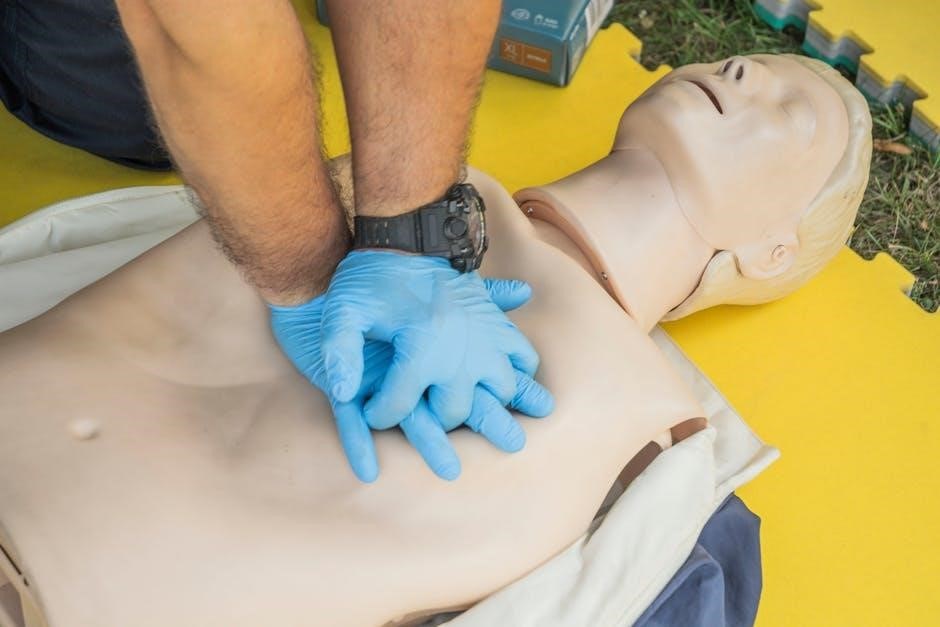
ANSI Z308.1-2024 mandates regular inspections of first aid kits to ensure all supplies are present, usable, and not expired. Employers must check kits monthly or after each use. Designated personnel should verify inventory, expiration dates, and proper packaging. Any missing, damaged, or expired items must be restocked or replaced promptly. This proactive approach ensures compliance and readiness for emergencies, aligning with OSHA standards and workplace safety regulations. Regular maintenance prevents shortages and guarantees kits are fully functional when needed.
Restocking and Replacement Guidelines
ANSI Z308.1-2024 requires immediate restocking of used or expired items in first aid kits. Employers must replace supplies like bandages, antiseptics, and gloves as soon as they are depleted. Expired items must be discarded and replaced with fresh stock. Kits should be replenished based on workplace-specific needs and usage patterns. Proper documentation of restocking ensures compliance and preparedness. Regular audits help maintain kit integrity, ensuring all items are readily available for emergencies. This guideline prevents shortages and guarantees adherence to safety standards.
Training and Compliance
Employee training on first aid kits is essential for workplace safety. Understanding kit contents, proper use, and compliance with ANSI and OSHA standards ensures preparedness and legal adherence.
Employee Training on First Aid Kits
Employee training on first aid kits is crucial for ensuring proper use and compliance with ANSI Z308.1-2024 standards. Training should cover identifying kit contents, correct supply usage, and understanding updates to the 2024 requirements. Employers must provide practical exercises and regular refreshers to maintain proficiency. This ensures employees can respond effectively in emergencies, aligning with workplace safety goals and legal standards. Proper training also reduces risks of improper kit use and enhances overall workplace preparedness.

Record-Keeping and Documentation
Proper record-keeping and documentation are essential for compliance with ANSI Z308.1-2024 standards. Employers must maintain detailed logs of first aid kit inspections, restocking, and employee training. Accurate documentation ensures accountability and verifies adherence to regulations. Records should include dates of inspections, items replenished, and training sessions conducted. This documentation also serves as evidence during audits or inspections, demonstrating commitment to workplace safety and compliance with both ANSI and OSHA requirements.
Accessing the ANSI Z308.1-2024 PDF
The ANSI Z308.1-2024 standard can be accessed through the official ANSI website or authorized distributors, ensuring compliance with the latest first aid kit requirements.
Official Sources for the Standard
The ANSI Z308.1-2024 standard can be obtained directly from the American National Standards Institute (ANSI) website or through the International Safety Equipment Association (ISEA). These sources provide the most reliable and up-to-date versions of the document. Additionally, OSHA references ANSI standards, making it essential to ensure compliance with their guidelines. Purchasing from authorized sellers guarantees authenticity and adherence to the latest requirements for workplace first aid kits.
Authorized Sellers and Distributors
To ensure compliance with ANSI Z308.1-2024, purchase the standard from authorized sources like the American National Standards Institute (ANSI) website or the International Safety Equipment Association (ISEA). These platforms provide authentic and updated versions of the document. Additionally, reputable distributors approved by ANSI or ISEA can supply compliant first aid kits. Always verify the seller’s credentials to avoid counterfeit or non-compliant products, ensuring workplace safety and adherence to regulatory requirements.

Common Mistakes in First Aid Kit Compliance
Common errors include inadequate supplies, improper maintenance, and failure to meet ANSI Z308.1-2024 standards, leading to non-compliance and potential workplace safety risks.
Inadequate Supplies
Inadequate supplies are a common issue, often due to insufficient quantities of essential items like bandages, antiseptics, or gloves. This non-compliance can lead to inability to treat injuries effectively, resulting in workplace safety risks and potential OSHA penalties. Employers must ensure kits meet ANSI Z308.1-2024 requirements, including specific item counts and types. Regular audits and restocking are crucial to maintain readiness. Ignoring these standards can compromise employee well-being and legal compliance, emphasizing the need for vigilant supply management.
Improper Maintenance
Improper maintenance of first aid kits is a critical compliance issue, often resulting from infrequent inspections or neglecting to replace expired items. This can lead to supplies being unusable or unavailable during emergencies, compromising employee safety. Employers must ensure kits are regularly checked, with expired or damaged items promptly replaced. Failure to maintain kits properly can result in OSHA violations and penalties, as it directly violates the requirement for readily available, adequate first aid supplies outlined in ANSI Z308.1-2024 standards.

Future Trends in First Aid Kit Requirements
Future trends include integrating smart technology and innovative materials into first aid kits, enhancing accessibility and effectiveness in workplace emergencies while aligning with evolving safety standards.
Emerging Workplace Safety Standards
Emerging workplace safety standards focus on adapting first aid kits to modern workplace hazards, such as chemical exposures and remote work environments. New standards emphasize customizable kits tailored to specific industries, ensuring supplies align with potential risks. Technological advancements, like smart first aid kits with inventory tracking, are expected to become more prevalent. These updates aim to enhance preparedness and response efficiency, aligning with OSHA regulations and ANSI guidelines to create safer workplaces.
Technological Advancements in First Aid Kits
Technological advancements are revolutionizing first aid kits, with innovations like smart kits featuring real-time inventory tracking and mobile app integration. These systems alert employers when supplies are low, ensuring compliance with ANSI standards. Automated first aid kits now include sensors to monitor expiration dates and usage, reducing maintenance burdens. Additionally, portable defibrillators and advanced wound care products are becoming standard, enhancing emergency response capabilities. These technologies align with ANSI Z308.1-2024 requirements, promoting safer and more efficient workplaces.