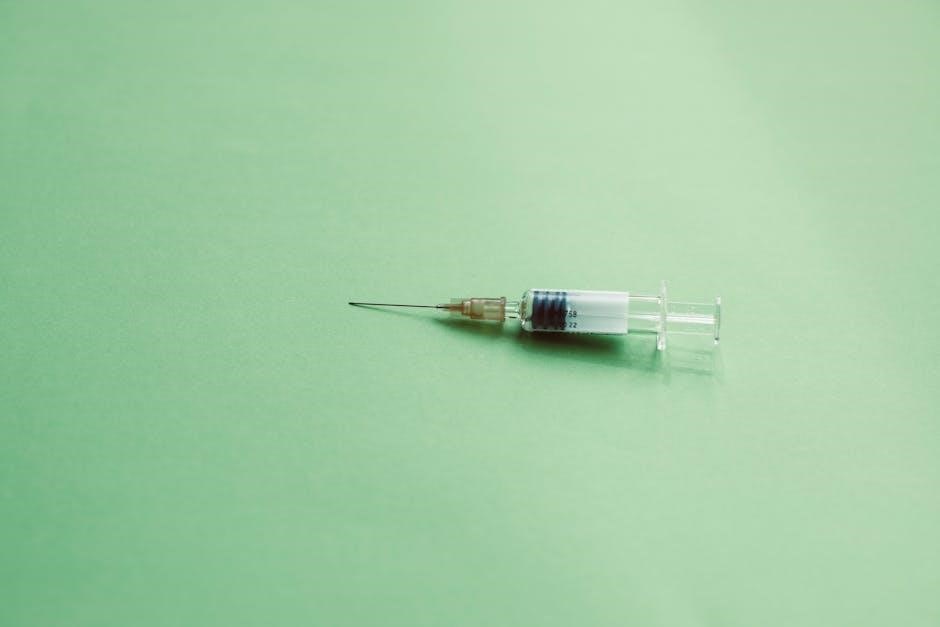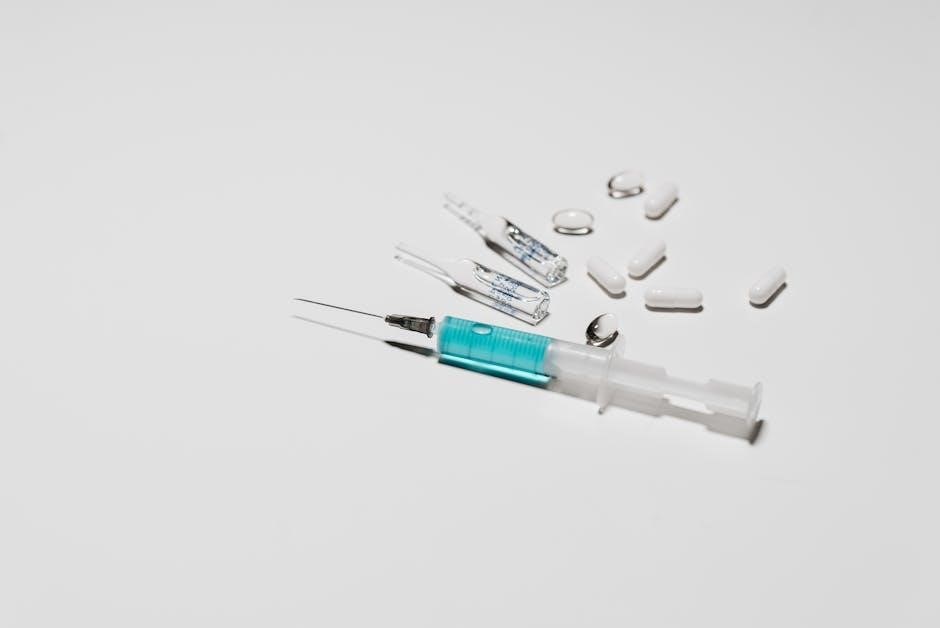
Types of Syringes and Needles: A Comprehensive Overview
This detailed exploration covers diverse syringe and needle types, referencing market research from Reportlinker․com and practical applications like cattle vaccination,
as highlighted by South Dakota State University․
Syringes and needles are fundamental medical devices crucial for administering fluids, medications, and vaccines․ Their evolution reflects advancements in healthcare, driven by demands for precision, safety, and efficiency․ Market research, such as that detailed in the Reportlinker․com report, demonstrates a growing focus on specialized types like micro syringes․
Understanding the various classifications – from tip types and barrel materials to volume and needle characteristics – is paramount for healthcare professionals․ Practical applications, like large-scale cattle vaccinations utilizing pistol-grip syringes (as noted by South Dakota State University), underscore the importance of selecting the appropriate tool for the task․ This overview aims to provide a comprehensive understanding of these essential instruments․
Syringe Classifications by Tip Type
Syringes are broadly categorized by their tip types, primarily Luer Lock and Luer Slip․ Luer Lock syringes feature a threaded hub allowing the needle to be securely twisted on, minimizing the risk of accidental needle detachment – a critical safety feature during fluid administration․ Conversely, Luer Slip syringes allow the needle to be simply pushed onto the hub, offering quicker needle changes․
The choice between these types depends on the application and required security level․ While Luer Slip is convenient, Luer Lock is preferred for procedures where maintaining a firm needle connection is vital, impacting overall patient safety and procedural accuracy, as reflected in industry standards․
Luer Lock Syringes
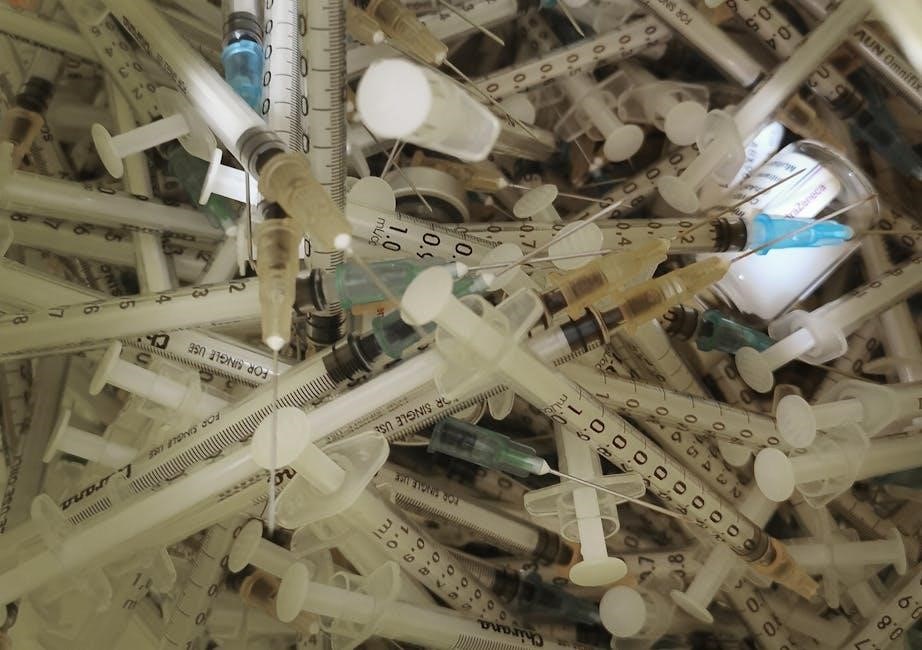
Luer Lock syringes are distinguished by their threaded hub, designed to securely attach needles via a twisting motion․ This robust connection minimizes the potential for accidental needle separation during injection or aspiration, enhancing patient and healthcare worker safety․ They are frequently utilized when administering viscous fluids or medications requiring precise delivery․
The threaded design provides a tighter seal, reducing leakage and ensuring accurate dosage․ Luer Lock syringes are a standard in many clinical settings, particularly where maintaining a secure needle-syringe connection is paramount for effective and safe fluid management, adhering to stringent regulatory guidelines․
Luer Slip Syringes
Luer Slip syringes feature a smooth, conical hub that allows needles to be applied with firm pressure․ Unlike Luer Lock, they don’t require twisting, offering quicker needle attachment and detachment․ While convenient, this method relies on a friction fit, making them potentially less secure for certain applications․
These syringes are often preferred for subcutaneous or intramuscular injections where a forceful push is less critical․ However, careful handling is essential to prevent accidental needle dislodgement․ Luer Slip syringes represent a cost-effective option for routine procedures, balancing ease of use with appropriate safety considerations․
Syringe Classifications by Barrel Material
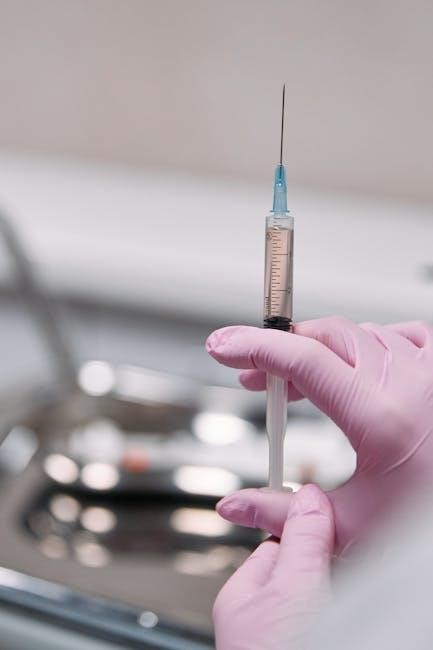
Syringes are fundamentally categorized by the material composing their barrel, primarily glass or plastic․ Glass syringes, historically dominant, offer excellent chemical compatibility and precise volume markings․ However, they are fragile and pose a breakage risk, necessitating careful handling and disposal protocols․
Plastic syringes have gained prominence due to their durability, reduced weight, and lower cost․ Modern plastics offer good clarity and resistance to many chemicals, though some may exhibit slight volume variations․ The choice between glass and plastic often depends on the specific application and safety priorities․
Glass Syringes
Glass syringes represent a traditional standard, valued for their exceptional chemical compatibility, ensuring accurate medication delivery without interaction․ Their transparent barrels facilitate precise volume readings, crucial in applications demanding accuracy․ However, this material inherently presents fragility, creating a risk of breakage during use or disposal․
Despite the safety concerns, glass syringes remain preferred in certain specialized contexts where chemical inertness is paramount․ Careful handling procedures and dedicated disposal containers are essential to mitigate breakage hazards and maintain a safe clinical environment․
Plastic Syringes
Plastic syringes have become increasingly prevalent due to their inherent safety advantages and cost-effectiveness․ Unlike their glass counterparts, plastic syringes are shatter-resistant, significantly reducing the risk of injury from breakage during handling or disposal․ This characteristic makes them ideal for various clinical settings and home healthcare applications․
Modern plastic formulations offer excellent clarity for volume assessment, though some may exhibit slight variations in chemical compatibility compared to glass․ The widespread adoption of plastic syringes reflects a commitment to patient and healthcare worker safety․
Syringe Classifications by Volume
Syringes are meticulously categorized by their volume capacity to suit diverse medical needs․ Tuberculin syringes, typically 1ml, are specifically designed for precise intradermal injections, often used in allergy testing and TB screenings․ Insulin syringes come in U-100 and U-500 concentrations, catering to varying insulin dosage requirements for diabetic patients․
Oral/enteral syringes facilitate accurate medication or fluid delivery through feeding tubes․ Selecting the appropriate volume is crucial for accurate dosing and effective treatment protocols․
Tuberculin Syringes (1ml)
Tuberculin syringes, holding a precise 1ml volume, are indispensable tools for dermatological procedures demanding accuracy․ Their primary application lies in performing Mantoux tests, a crucial diagnostic method for tuberculosis (TB) detection․ These syringes ensure a small, controlled volume of antigen is injected intradermally, creating a visible wheal․
The calibration markings on these syringes are specifically designed for accurate measurement of fractional milliliters, vital for reliable test results and proper patient care protocols․
Insulin Syringes (U-100, U-500)
Insulin syringes are specifically engineered for administering insulin, a vital hormone for diabetes management․ They are categorized by the insulin concentration they are designed to handle, most commonly U-100 (100 units of insulin per milliliter) and U-500 (500 units/ml) for patients requiring higher doses․
These syringes feature precise, clearly marked calibrations in units, not milliliters, to ensure accurate dosage․ U-500 syringes are less common and require careful handling due to their concentrated nature, minimizing potential errors․
Oral/Enteral Syringes
Oral or enteral syringes are designed for delivering medication or fluids directly into the gastrointestinal tract, bypassing the need for swallowing․ These syringes typically lack a needle, or utilize a blunt-tipped cannula, ensuring safe administration, particularly for infants, individuals with difficulty swallowing, or those requiring feeding assistance․
They often feature a curved tip for easier insertion alongside the cheek․ Graduations are usually marked in milliliters, allowing for precise measurement of liquid medications or nutritional supplements․
Needle Classifications by Gauge
Needle gauge, a crucial classification, refers to the internal diameter of the needle, inversely related to the numerical value – a higher gauge indicates a thinner needle․ Understanding this system is vital for selecting the appropriate needle for various procedures․ Different applications necessitate varying gauges to ensure efficient fluid delivery and minimize patient discomfort․
Common ranges span from 16G (large bore for thick fluids) to 30G (small bore for delicate injections), each suited for specific medical tasks and fluid viscosities․
Understanding Needle Gauge Numbers
The needle gauge number system might initially seem counterintuitive; a larger number signifies a smaller diameter․ This standardization, crucial for medical professionals, ensures consistent fluid flow rates and predictable injection experiences․ Remembering this inverse relationship is key to proper needle selection․
Essentially, a 25G needle is thinner than a 20G needle․ Accurate gauge selection impacts patient comfort, minimizes tissue trauma, and optimizes medication delivery, making comprehension essential․
Common Needle Gauges for Different Applications (16G ─ 30G)
Needle gauge selection directly correlates with the viscosity of the fluid and the desired injection depth․ Larger gauges (16G-18G) are utilized for thick fluids or drawing blood, while mid-range gauges (20G-25G) suit intramuscular injections․
Finer gauges (26G-30G) are preferred for subcutaneous injections or administering medications to sensitive areas, minimizing discomfort․ Understanding these applications ensures optimal patient care and effective treatment delivery․
Needle Classifications by Length
Needle length is crucial for reaching the intended tissue layer․ Shorter needles, typically ranging from 1/2 inch to 5/8 inch, are ideal for subcutaneous injections and vaccinations, particularly in pediatric or lean patients․
Longer needles, spanning 1 inch to 1․5 inches, are generally employed for intramuscular injections, ensuring medication delivery into deeper muscle tissue․ Proper length selection maximizes efficacy and minimizes the risk of complications․
Short Needles (1/2 inch ─ 5/8 inch)
These needles excel in subcutaneous injections, delivering medication just beneath the skin; Their shorter length minimizes discomfort and reduces the chance of hitting muscle tissue, making them suitable for vaccinations and medications requiring slower absorption․
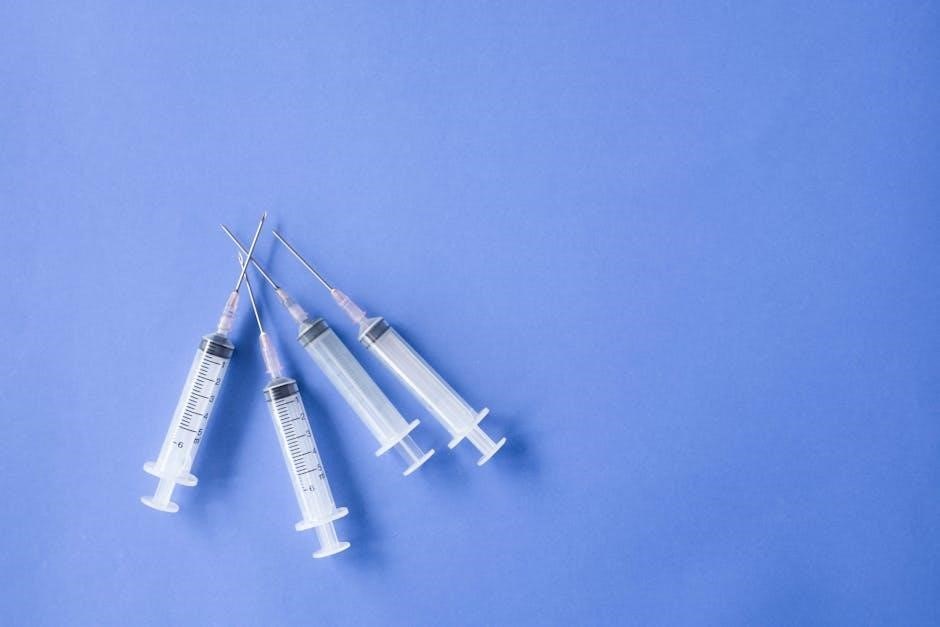
They are frequently used with tuberculin syringes for allergy testing and are preferred for pediatric patients or individuals with limited muscle mass, ensuring safe and effective administration․
Long Needles (1 inch ⸺ 1․5 inch)
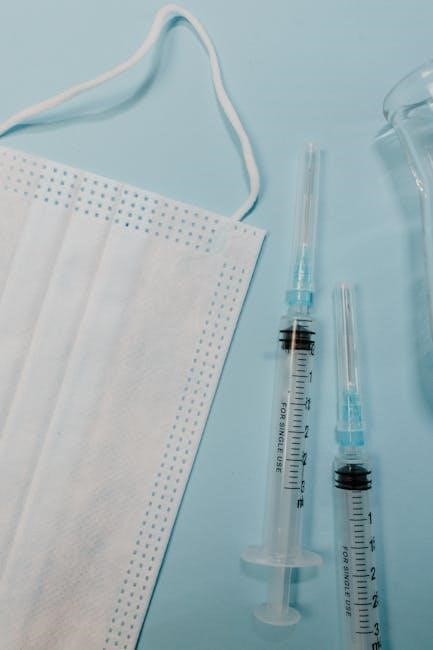
Longer needles, ranging from one to one and a half inches, are primarily utilized for intramuscular (IM) injections, reaching deeper muscle tissues for rapid medication absorption․ This length is crucial for individuals with substantial muscle mass, ensuring the medication disperses effectively․
They are commonly employed in veterinary medicine, particularly when administering vaccines to larger animals like cattle, as noted in discussions regarding pistol-grip syringes․
Needle Classifications by Tip Style
Needle tip styles significantly impact penetration ease and tissue trauma․ Beveled needles, the most common type, feature a slanted opening for smooth insertion․ Hypodermic needles, a subset of beveled, are designed for subcutaneous or intramuscular injections, offering versatility․
Conversely, blunt needles lack a sharp point and are used for drawing fluids or administering medications subdermally, minimizing risk of accidental punctures; The choice depends on the specific application and desired outcome․
Beveled Needles
Beveled needles represent the predominant choice across numerous medical applications due to their streamlined design․ The angled tip, or bevel, facilitates smoother tissue penetration compared to blunt alternatives, reducing patient discomfort․ Bevel angles vary; smaller angles yield sharper entry, while larger angles spread force over a wider area․
These needles are universally employed for hypodermic injections, blood draws, and intravenous access․ Proper bevel selection optimizes injection speed and minimizes core trauma, enhancing patient safety and treatment efficacy․
Hypodermic Needles
Hypodermic needles are specifically designed for subcutaneous or intramuscular injections, representing a cornerstone of modern medical practice․ Characterized by their hollow bore and sharp, beveled tip, they facilitate the delivery of medications directly into the body’s tissues․ These needles come in a vast array of gauges and lengths․
Selection depends on the injection site, medication viscosity, and patient factors․ They are integral to vaccinations, administering therapeutic drugs, and drawing blood samples, ensuring precise and effective treatment․
Blunt Needles
Blunt needles, unlike their hypodermic counterparts, feature a rounded, non-sharp tip․ This design intentionally avoids piercing skin, making them ideal for applications where tissue penetration is undesirable․ Common uses include drawing up fluids from vials, reconstituting medications, and flushing intravenous catheters to maintain patency․
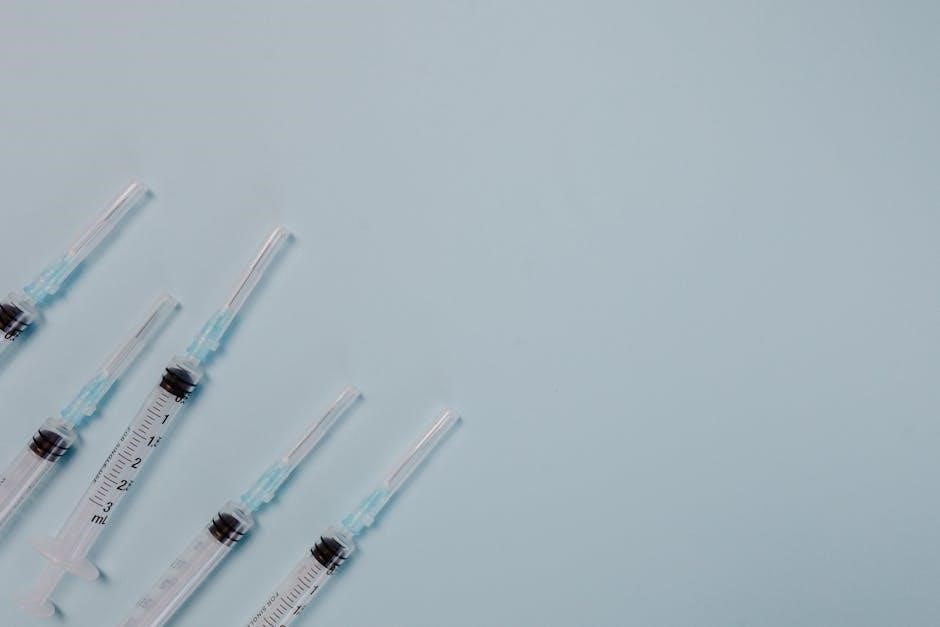
Their safety profile is enhanced by reduced risk of accidental needlestick injuries․ Blunt needles are crucial in pharmaceutical compounding and laboratory settings, ensuring accurate and safe handling of solutions․
Specialty Syringes
Beyond standard designs, specialty syringes cater to unique medical needs․ Micro syringes deliver exceptionally small, precise volumes, crucial in ophthalmology and reproductive technologies․ Conversely, pistol-grip syringes, frequently utilized in veterinary medicine – particularly for cattle vaccinations – offer enhanced control and ease of administration, as noted by experts at South Dakota State University․
These specialized tools improve accuracy, reduce strain on the user, and optimize treatment outcomes in specific clinical scenarios․
Micro Syringes
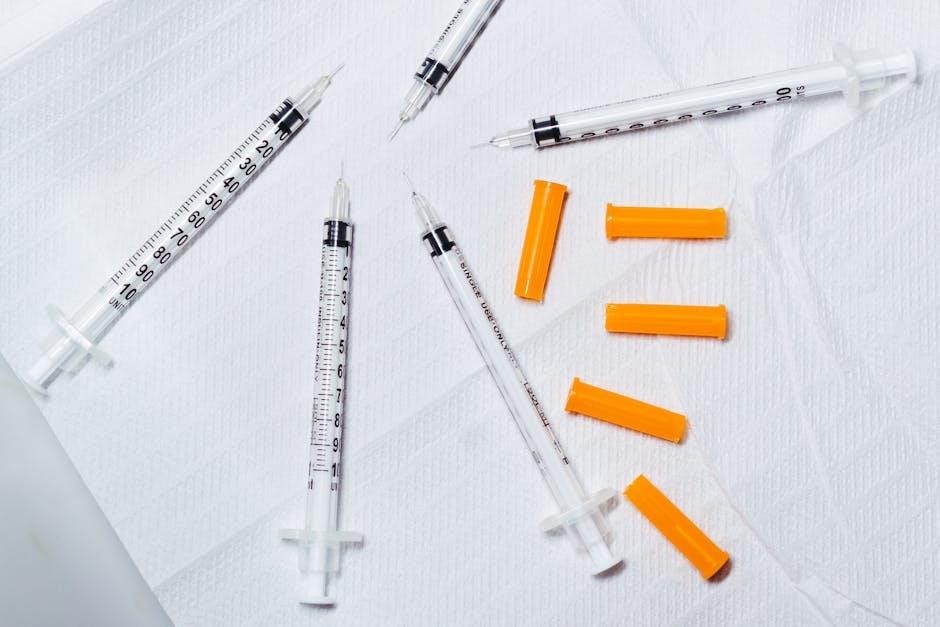
Micro syringes are precision instruments designed for administering minuscule fluid volumes, typically ranging from microliters to nanoliters․ Their applications are highly specialized, frequently found in assisted reproductive technologies like intracytoplasmic sperm injection (ICSI) and in delicate ophthalmological procedures requiring extreme accuracy․
These syringes demand meticulous calibration and handling due to their sensitivity․ Market research, such as that from Reportlinker․com, indicates growing demand within these niche medical fields․
Pistol-Grip Syringes (for Veterinary Use)
Pistol-grip syringes are particularly prevalent in veterinary medicine, especially for administering vaccinations to livestock like cattle․ Their ergonomic design, as noted by Heidi Carroll of South Dakota State University, facilitates easier and more controlled injections, reducing strain on the operator during large-scale animal treatments․
The grip allows for one-handed operation, crucial when handling animals․ Multi-dose versions are common, streamlining the vaccination process and improving efficiency in agricultural settings․
Safety Features in Modern Syringes
Contemporary syringe design prioritizes user safety and the prevention of needlestick injuries․ Key advancements include needle retraction mechanisms, which automatically enclose the needle after injection, minimizing exposure risk․ Additionally, needle shielding devices provide a protective barrier, preventing accidental contact․
These features are increasingly vital, driven by regulatory standards and a growing emphasis on healthcare worker protection․ Modern syringes aim to reduce the transmission of bloodborne pathogens and enhance overall safety protocols;
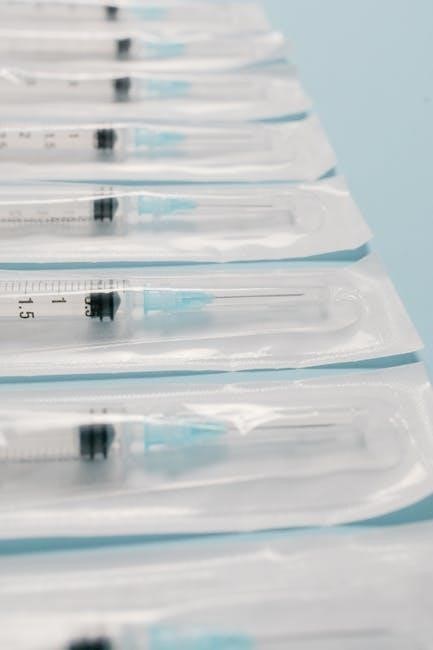
Needle Retraction Mechanisms
Needle retraction mechanisms represent a significant advancement in syringe safety technology․ These systems are engineered to automatically withdraw the needle into the syringe barrel immediately following injection, effectively shielding the healthcare worker from accidental needlestick injuries․
Various designs exist, including passive and active retraction systems․ Passive systems rely on force applied after injection, while active systems utilize spring-loaded mechanisms․ Both aim to minimize exposure to potentially infectious materials, enhancing patient and provider safety․
Needle Shielding Devices
Needle shielding devices are integral components of modern syringe designs, prioritizing safety for both healthcare professionals and patients․ These mechanisms physically cover the needle after use, preventing inadvertent needlestick injuries – a critical concern in medical settings․
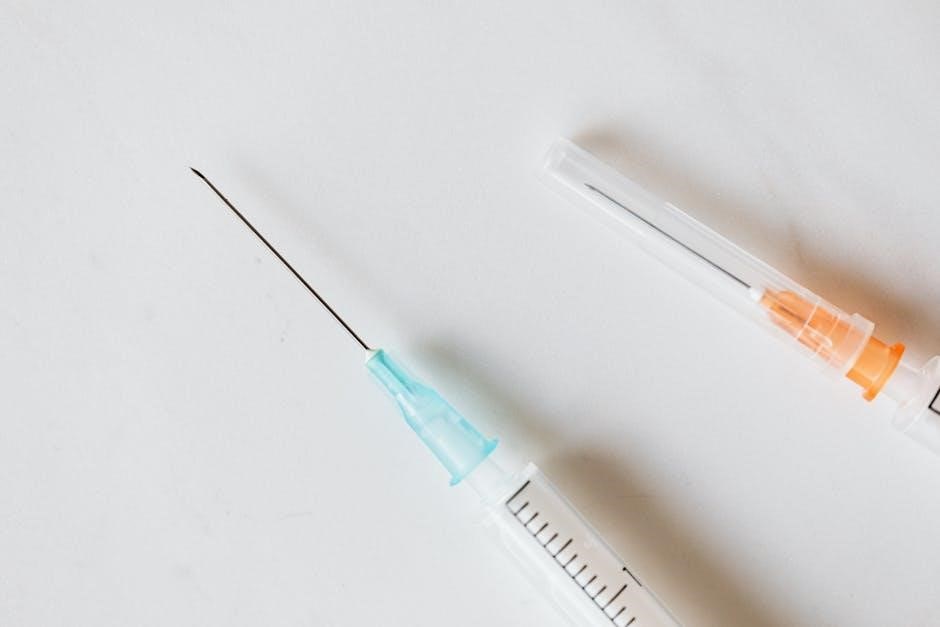
Shielding can take several forms, from fixed plastic guards that slide over the needle to more complex, automatically deploying shields․ These features are often incorporated alongside retraction mechanisms, providing a dual layer of protection against hazardous sharps exposure․
Regulations and Standards (ISO, FDA)
Syringe and needle manufacturing is heavily regulated to ensure patient safety and product efficacy․ Organizations like the FDA (Food and Drug Administration) in the United States establish stringent guidelines for design, materials, and manufacturing processes․
Internationally, ISO (International Organization for Standardization) standards play a crucial role, defining quality management systems and specific requirements for medical devices․ Compliance with these regulations is mandatory for market access, guaranteeing consistent quality and minimizing risks associated with these critical healthcare tools․